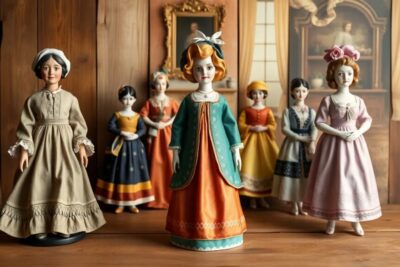
The Enchanting History of Dolls: From Antiquity to Modernity
Dolls have been cherished companions, cherished playthings, and even cultural artifacts throughout human history. The oldest doll in the world dates back to ancient civilizations, with evidence of their existence found in archaeological digs across various continents, showcasing the timeless connection between children and these miniature figures. The first doll ever made served not just as a toy but also as a reflection of the social and cultural values of the time, embodying the aspirations and dreams of those who crafted them.
In exploring the history of dolls, we’ll journey through time to uncover the origins of dolls, their evolution across different cultures, and the myriad ways they have been utilized over the centuries. From the antique dolls from the 1800s to the modern creations that grace toy stores today, each doll tells a story that resonates with nostalgia and history. We’ll delve into the materials used, the craftsmanship involved, and the significance of dolls in society, revealing their purpose beyond mere playthings.
The Origins of Dolls: A Journey Through Time
The origin of dolls can be traced back to ancient cultures around the world. Archaeologists have discovered ancient clay dolls in Egypt, dating as far back as 2000 BC, indicating that dolls were not just toys but also held religious significance. These clay figures often depicted deities or were used in rituals, suggesting that dolls may have served a purpose in spiritual or educational practices, rather than just for entertainment.
In Greece, dolls made of wood and fabric were common, used both for play and as offerings to the gods. The Greeks also played a crucial role in the evolution of dolls, introducing larger, more elaborate figures that were sometimes adorned with intricate clothing and hairstyles. This emphasis on craftsmanship not only enhanced the aesthetic appeal of dolls but also contributed to their status as collectibles. The Romans later adopted these styles, further embedding dolls into the cultural fabric of Europe.
By the Middle Ages, dolls evolved into more sophisticated forms, often made from materials such as wood, cloth, and even porcelain. Dolls in the past were frequently dressed in the fashion of the time, representing social status and occupation. They were often gifted to children as a rite of passage, symbolizing the transition from childhood to adulthood. This rich history of craftsmanship and symbolism laid the groundwork for the beloved dolls we know today.
The History of Dolls: Their Invention and Origins Explained
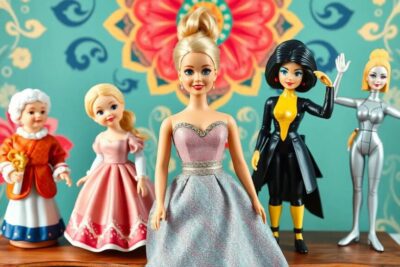
History of Famous Dolls: History and Origins
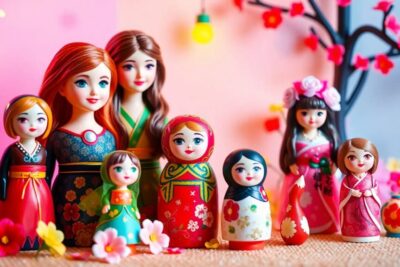
Doll Facts: Types, History, and Interesting Details
The Craftsmanship Behind Dolls: How Are They Made?
Understanding how dolls are made reveals a fascinating mix of art, tradition, and innovation. The earliest dolls, such as those from the 1800s, were often handmade from simple materials like wood, cloth, and straw. Artisans would carefully carve wooden dolls, often detailing facial features and clothing by hand, creating unique pieces that reflected the craftsmanship of their time.
As manufacturing processes evolved, particularly during the Industrial Revolution, dolls began to be mass-produced. Factories emerged, introducing techniques such as molding and assembly line production. This shift made dolls more accessible to the masses, transforming them from exclusive luxury items into popular toys for children of all backgrounds. The introduction of materials like celluloid and later plastic revolutionized doll-making, allowing for more durable and intricately designed figures.
Today, modern dolls can be made from a variety of materials including vinyl, silicone, and fabric, often featuring lifelike details and designs that appeal to contemporary aesthetics. How dolls are manufactured now involves a combination of traditional techniques and advanced technology, ensuring that each doll not only retains its cherished qualities but also meets modern safety standards. The creativity and innovation behind doll-making continue to evolve, reflecting societal changes and cultural trends.
The Cultural Significance of Dolls: More Than Just Toys
Dolls have always held a special place in many cultures around the world. Beyond being playthings, they often serve as cultural artifacts that reflect the values, traditions, and history of a society. For instance, in many indigenous cultures, dolls are not merely toys but are considered sacred objects used in rituals and storytelling. They embody the histories and myths of a people, acting as teaching tools for younger generations.
In the context of toys in history, dolls have played a significant role in shaping childhood experiences. They provide imaginative play opportunities, allowing children to explore social roles and relationships. This aspect of play is crucial for emotional development, as children learn empathy, nurturing behaviors, and social interaction through their relationships with dolls.
Moreover, dolls can also serve as a commentary on societal norms and expectations. The evolution of dolls has mirrored changing gender roles, fashion trends, and cultural values over the decades. For instance, the iconic Barbie doll, introduced in the late 1950s, sparked discussions on femininity, body image, and career aspirations, reflecting and influencing societal perceptions of women. Through the lens of doll history, we see how these figures provide insights into the complexities of identity, culture, and social change.
Famous Dolls Throughout History: Icons of Their Time
Throughout the centuries, certain dolls have risen to fame, becoming cultural icons that resonate with people around the world. Famous dolls names such as Barbie, G.I. Joe, and Raggedy Ann have become synonymous with childhood and play. Each of these dolls was created during distinct cultural moments, capturing the imagination of children and adults alike.
Barbie, introduced by Ruth Handler in 1959, revolutionized the doll industry by presenting a new vision of femininity. With her myriad careers and diverse ethnic representations, Barbie challenged traditional gender roles and inspired generations of girls to envision their futures beyond domestic confines. Similarly, G.I. Joe, launched in the 1960s, represented a shift towards action-oriented toys for boys, embodying ideals of bravery and adventure.
In addition to commercial success, some dolls have historical significance. For example, the antique European dolls crafted in the 18th and 19th centuries often served as status symbols for affluent families. These dolls were meticulously designed and sometimes even outfitted with real clothing made from fine fabrics, showcasing the craftsmanship of their makers. Such dolls provide a glimpse into the lives of the wealthy during that era, reflecting both artistic expression and cultural values.
The Evolution of Dolls: A Timeline of Change
The history of dolls is marked by significant changes in design, purpose, and materials. Starting from the first doll invented, which may have been as simple as a carved wooden figure, dolls have transformed dramatically over the centuries. The timeline of their evolution reflects broader societal changes and technological advancements, as well as shifts in cultural norms.
By the 19th century, dolls began to take on more lifelike qualities, with the introduction of porcelain heads and cloth bodies. This period saw the rise of 19th century dolls, which were often elaborately dressed and featured painted faces, embodying the fashion and values of the time. The Victorian era, in particular, heralded an obsession with dolls as collectibles, leading to the creation of specialized dollhouses and miniature furniture.
The 20th century brought about further innovations, such as the use of plastic in doll-making, which allowed for mass production and accessibility. The post-war era saw the emergence of diverse doll lines that catered to different demographics, reflecting changing attitudes towards gender, race, and identity. As global awareness of social issues increased, doll manufacturers began to create dolls that represented a wider array of ethnicities and body types, emphasizing inclusivity and diversity.
Nostalgia and Collecting Dolls: A Timeless Passion
For many, the passion for collecting dolls transcends mere hobby; it embodies nostalgia and a deep emotional connection to childhood memories. The old toys dolls of yesteryear evoke feelings of warmth and reminiscence, serving as tangible links to the past. Collectors often seek out antique dolls from the 1800s, appreciating their craftsmanship, historical significance, and the stories they tell.
Doll collecting can also be a way to preserve cultural heritage. For instance, traditional dolls from various cultures—such as yarn dolls history from Indigenous peoples or handmade dolls from Europe—carry with them the legacies of their makers and the communities they represent. Collectors often take pride in curating diverse collections that celebrate the artistry and history of doll-making across the globe.
Moreover, the rise of online marketplaces and social media has fostered a vibrant community of doll enthusiasts who share their collections, restoration projects, and historical knowledge. This camaraderie not only enhances the joy of collecting but also fosters a deeper appreciation for the doll history that binds generations together.
Modern Dolls: Reflecting Contemporary Society
Today, dolls reflect the complexities and diversity of contemporary society more than ever before. With an emphasis on representation, modern dolls are designed to resonate with children of all backgrounds, embodying a wide range of cultures, abilities, and identities. The demand for inclusive play experiences has prompted manufacturers to create dolls that reflect real-world diversity, helping children see themselves in the toys they play with.
Dolls are also evolving in response to technological advancements. Interactive dolls, equipped with voice recognition and artificial intelligence, provide new avenues for play, allowing children to engage in imaginative scenarios that reflect their lives. These modern innovations challenge traditional notions of what dolls are and can be, demonstrating their adaptability to the changing landscape of childhood.
The modern doll industry is also deeply influenced by social issues, with many companies embracing sustainability and ethical manufacturing practices. As environmental consciousness grows, manufacturers are exploring eco-friendly materials and responsible production methods, ensuring that future generations can enjoy dolls that are not only fun to play with but also kind to the planet.