The Fascinating History and Evolution of Bobblehead Dolls
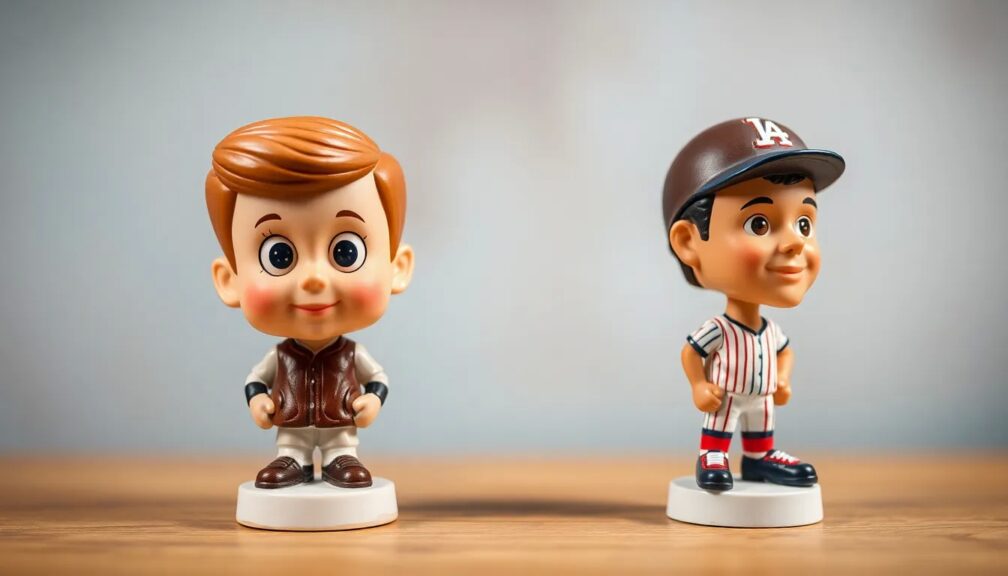
Collectors and casual fans alike often wonder about the history of bobbleheads: when were bobbleheads invented, and when did bobbleheads come out as the playful figures we recognize today? These whimsical collectibles, known for their oversized heads that wobble cheerfully atop thin necks, have captivated the hearts of many across generations. From their humble beginnings as simple novelties, bobblehead dolls have evolved into beloved memorabilia and quirky collectibles that can now be found in homes, offices, sports arenas, and even pop culture conventions across the globe.
This article delves into the fascinating world of bobbleheads—exploring their rich history, the various types that exist, how they are made, and why they continue to resonate with people today. Whether you’re a long-time collector or simply curious about these charming figures, you’ll find a wealth of information that will enrich your understanding and appreciation of bobblehead dolls.
What Is a Bobblehead? Definition and Meaning
If you've ever typed “what is a bobblehead” or “what is a bobble head” into a search engine looking for a simple bobblehead definition, the answer is surprisingly straightforward. A bobblehead is a small collectible figure with an oversized head attached to the body by a spring or similar mechanism, so the head moves or “bobbles” when touched. In other words, any figurine that fits this bobble head definition—no matter the character, size, or style—can be considered part of the broad family of bobbleheads.
Put even more simply, what are bobbleheads? They are fun, stylized representations of real or fictional people that exaggerate the head to create a playful, animated effect. This is where the bobble head meaning and bobbleheads meaning come from: they are designed to nod, wobble, or shake in response to movement, turning an ordinary figurine into a tiny performance of personality and charm. Collectors who love stylized figures with exaggerated proportions may also enjoy the history of Blythe dolls, another beloved big-headed collectible that has developed its own passionate fan base.
Over the years, these figures have also been called bobbing head dolls or, in older catalogs, a bobbing head doll. Although the terms differ, they all refer to the same basic idea and sit comfortably within any bobbleheads definition: a character with a freely moving head that responds to touch, vibration, or motion.
For collectors trying to pin down the exact bobblehead meaning, it helps to remember that, no matter how you phrase it or spell it, all these terms refer to the same thing—the figure is defined less by who it depicts and more by the distinctive nodding motion that makes it come alive.
The Origins of Bobbleheads: A Historical Perspective
The history of bobbleheads can be traced back to 19th-century Europe. Most historians agree that the first bobblehead doll appeared in Germany in the 1840s, where original bobbleheads were known as “nodding dolls.” These early pieces were usually crafted from ceramic and featured a simple weighted or spring-based mechanism that caused the head to move gently when touched. As demand grew, these early nodding dolls began to portray popular politicians, sports stars, and cultural icons, turning a simple toy into a recognizable status symbol.
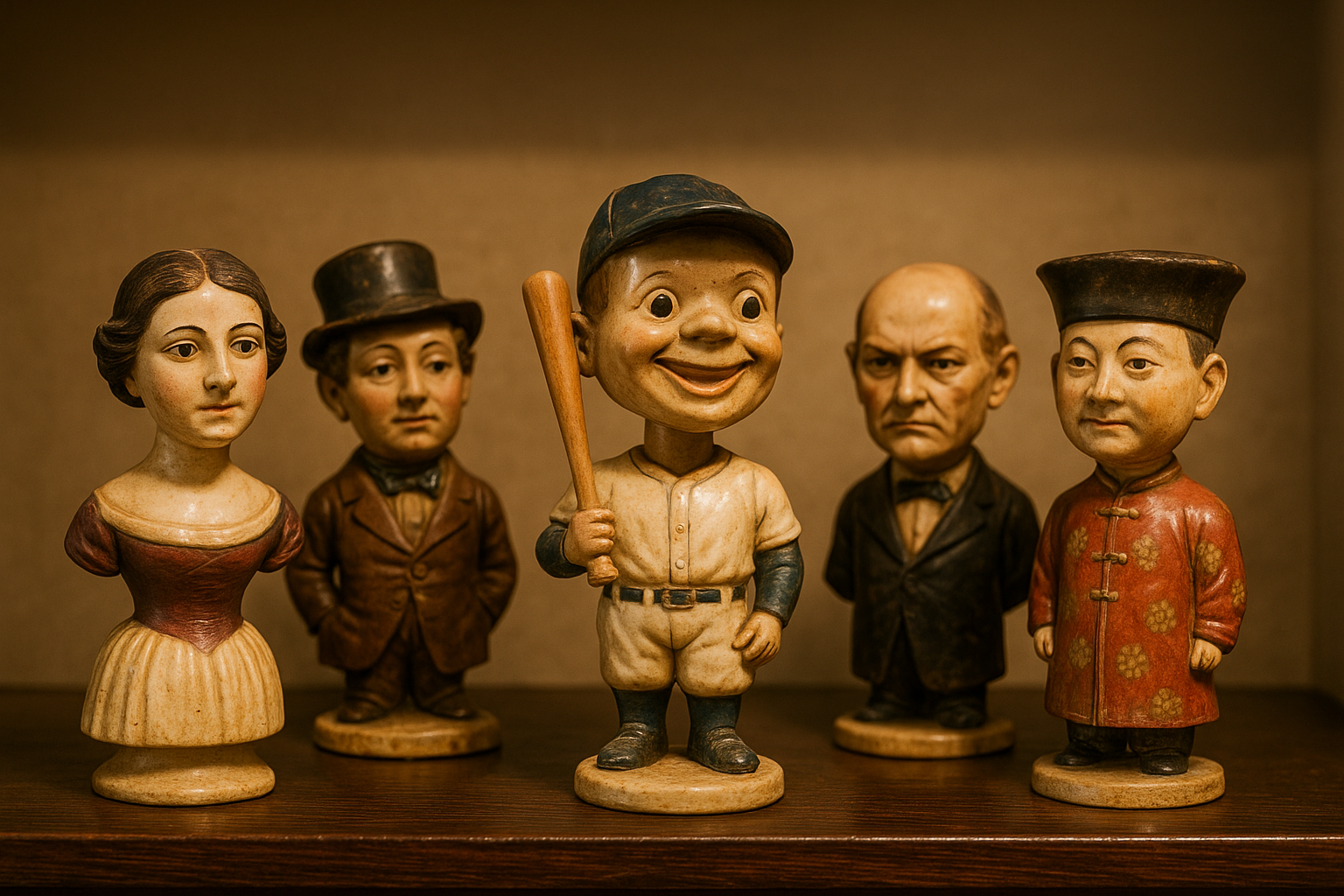
These early nodding figures shared many traits with other collectible ceramic toys of the era, such as classic porcelain dolls, which were also prized for their delicate craftsmanship and display value.
For collectors asking who invented the bobblehead or who invented bobbleheads, there is no single named creator; instead, the first bobblehead ever made is generally attributed to the skilled German artisans who refined this playful design and produced the original bobblehead figures by hand. In that sense, the first bobblehead is less a single surviving piece and more a style that emerged from these workshops and spread across Europe.
Some historians also trace their roots even further east, linking modern bobbleheads to temple nodders—decorative figures found in parts of China and Japan whose heads were designed to move gently in response to vibrations. These early Chinese bobblehead dolls and Japanese bobble head dolls, sometimes described simply as Japanese bobbleheads, shared the same playful nodding motion that would later define Western bobblehead dolls. Although materials and styles varied, the idea of a small character with a moving head clearly predates the mass-produced collectibles we know today.
If you’re curious about how other traditional Asian figures developed, you can explore the history of Japanese dolls and the evolution of Chinese dolls, both of which highlight cultural traditions that parallel the rise of bobblehead-style collectibles.
In the early 20th century, bobbleheads made their way to the United States, where they gained popularity in the post-war era. The 1960s saw a surge in production, particularly with Major League Baseball teams. Each team began to release bobblehead dolls featuring their star players, creating a new form of sports memorabilia that fans could collect and cherish. This marketing strategy not only boosted sales but also solidified the bobblehead’s status as a staple in American pop culture.
Throughout the years, the design and manufacturing of bobbleheads have seen significant changes. While early versions were handcrafted, modern bobbleheads are often produced using advanced techniques that allow for greater customization and detail. This evolution has enabled the creation of bobblehead dolls that reflect current trends, pop culture phenomena, and even personalized designs that appeal to fans across various demographics.
How Are Bobbleheads Made and What Are They Made Of?
Many collectors eventually ask how are bobbleheads made and what are bobbleheads made of, especially after they start paying attention to the tiny details on each figure. This section explores how bobbleheads are made from start to finish and breaks down the materials that bring them to life. If you have ever searched for what are bobble heads made of or wondered how do bobbleheads work behind the scenes, the answer lies in a combination of careful sculpting, clever engineering, and the familiar spring mechanism that keeps the head gently moving.
The process begins with a sculptor who creates a model or prototype of the bobblehead. This initial design is typically made from clay or a similar material, allowing for intricate details and a lifelike representation of the intended figure. Once the prototype is approved, the next step involves creating a mold, usually made from silicone or plastic, to replicate the design.
After the mold is prepared, the production phase begins. Bobbleheads can be made from various materials, including ceramic, plastic, and resin. Each material offers unique benefits—in terms of weight, durability, and detail. Ceramic bobbleheads, for example, are often heavier and provide a classic aesthetic, while plastic bobbleheads are lighter and less fragile, making them ideal for mass production.
Once the material is chosen, the bobblehead is cast and painted. Skilled artists meticulously hand-paint each figure, ensuring that details such as facial features, clothing colors, and accessories are accurately represented. After painting, the heads are attached to the body using a spring mechanism, allowing for the characteristic bobbling motion. Finally, the completed bobbleheads are packaged and shipped to distributors, ready to delight fans and collectors worldwide.
The Different Types of Bobbleheads
Bobbleheads come in a variety of styles, each with its own unique flair. The most common type is the sports bobblehead, which typically features popular athletes from various leagues, such as the MLB, NFL, NBA, and NHL. These figures often commemorate special achievements, such as record-breaking performances or championship victories. Sports fans cherish them as collectibles, proudly displaying them in their homes or offices as a testament to their loyalty.
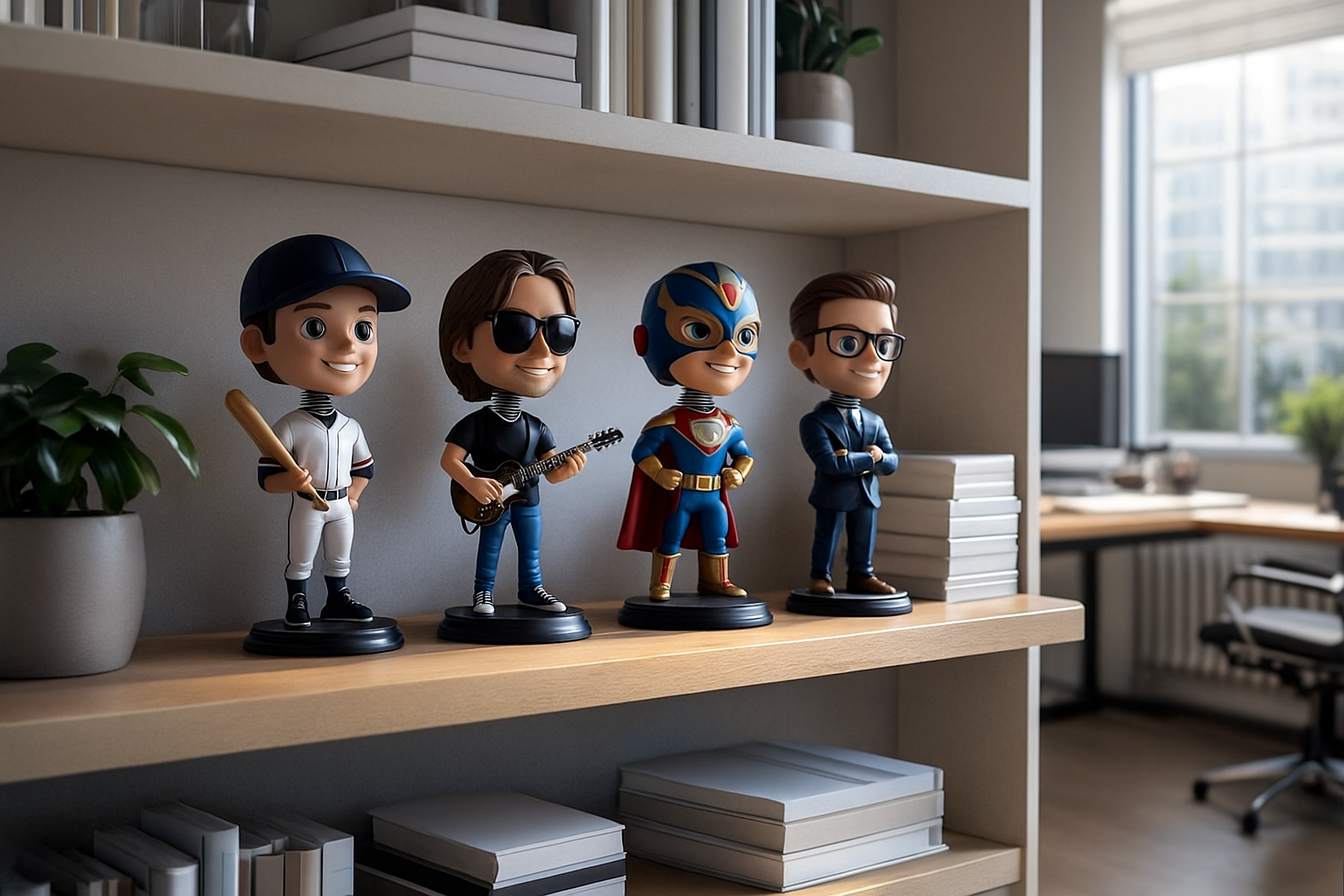
Many fans who collect sports bobbleheads also branch out into related collectibles like classic action figures and iconic lines such as G.I. Joe, which similarly capture star players and heroic characters in toy form.
Another popular category includes celebrity bobbleheads that showcase famous figures from film, music, and television. These bobbleheads serve as a fun way for fans to celebrate their favorite stars and can often be found at events such as movie premieres, concerts, or fan conventions. Some companies even offer custom bobbleheads, allowing fans to create personalized versions that resemble themselves or their loved ones. This aspect of bobblehead culture adds a delightful personal touch and has made them a popular gift choice for birthdays, weddings, and other special occasions.
In the wider doll world, fashion-forward lines such as Barbie and Bratz show how celebrity style, trends, and pop culture can be translated into collectible characters in much the same way bobbleheads do.
In addition to these categories, there are also thematic bobbleheads that celebrate various holidays, seasons, and cultural icons. For example, Christmas-themed bobbleheads often feature Santa Claus, reindeer, or holiday decorations, while Halloween versions might include ghosts or witches. These whimsical figures are not only collectible but also serve as festive decorations that bring joy and cheer to any setting.
The Pop Culture Impact of Bobbleheads
The impact of bobbleheads on pop culture cannot be underestimated. Over the years, these quirky figures have become iconic symbols in various realms, from sports fandom to political commentary. In the sports world, special bobblehead giveaways have become a staple marketing strategy for teams looking to engage fans and drive attendance at games. For many, receiving a bobblehead doll at a game is an exciting experience that adds to the overall enjoyment of the event.
Over time, certain figures have become famous bobbleheads in their own right—limited-edition releases of legendary athletes, beloved movie characters, or notable public figures that fans line up for hours to obtain. These famous bobbleheads often sell out quickly, gain value on the secondary market, and act as snapshots of specific cultural moments, from championship seasons to hit TV shows or viral internet sensations. For a broader look at iconic characters beyond bobbleheads, you can dive into the history of famous dolls and quirky pop culture toys like Mr. Potato Head, which likewise became enduring symbols of their eras.
Bobbleheads have also made their mark in the realm of social commentary and satire. Many artists and creators have embraced the bobblehead form to make statements about societal issues, cultural phenomena, or political figures. For example, the first bobblehead ever made of a political figure was that of President Lyndon B. Johnson in the 1960s. Since then, various bobbleheads have been created to satirize or honor public figures, often becoming collectible pieces that resonate with specific moments in history.
Furthermore, the rise of social media has breathed new life into the world of bobbleheads. Fans frequently share images of their collections online, creating communities centered around these delightful figures. Platforms like Instagram and Twitter have become hubs for collectors to showcase their unique finds, trade pieces, and celebrate the joy that bobbleheads can bring to everyday life. This digital engagement has helped sustain the popularity of bobbleheads, ensuring that they remain relevant and cherished by new generations of fans.
How to Start Your Own Bobblehead Collection
If you’re interested in diving into the world of bobblehead collecting, there are a few essential steps to consider. First, it’s important to decide on a focus for your collection. Some collectors choose to specialize in sports bobbleheads, while others may prefer celebrity figures or themed designs. Defining your niche will help guide your purchasing decisions and keep your collection cohesive.
Next, familiarize yourself with the market. Research popular brands, limited editions, and upcoming releases to stay informed about new additions to the bobblehead world. Websites specializing in collectibles, auctions, and fan forums can provide valuable insights into current trends and pricing. Many collectors also join local clubs or online communities where they can share tips, trade items, and connect with fellow enthusiasts.
When it comes to acquiring bobbleheads, there are numerous options available. You can find them at sporting events, toy stores, online marketplaces, and specialty collectible shops. It’s essential to pay attention to the condition and authenticity of each piece, especially if you’re investing in rare or vintage items, much like collectors do with the rarest dolls in the broader doll world. Some collectors enjoy the thrill of hunting for unique finds at flea markets or garage sales, while others prefer to purchase directly from reputable retailers to ensure quality.
The Future of Bobbleheads
As we look to the future, the world of bobbleheads continues to evolve. With advancements in technology and manufacturing, we can expect to see even more intricate designs, customizable options, and innovative materials. The rise of 3D printing has opened up exciting possibilities for creating personalized bobblehead dolls that reflect individual preferences and interests, allowing fans to create one-of-a-kind pieces that truly represent them.
Moreover, the connection between bobbleheads and pop culture will likely strengthen as new trends emerge. Collaborations with popular franchises in film, television, and gaming may lead to an influx of unique bobblehead designs that cater to fans of all ages. As nostalgia plays a significant role in consumer culture, we may also see a revival of classic bobblehead designs, appealing to those who grew up with these charming figures.
Ultimately, the enduring charm of bobblehead dolls lies in their ability to evoke joy and connection. Whether representing beloved sports teams, iconic celebrities, or cherished memories, bobbleheads have a special place in the hearts of collectors and fans alike. As they continue to adapt and grow, there’s no doubt that bobbleheads will remain a beloved part of our cultural landscape for years to come.
Frequently Asked Questions (FAQs)
1. What is a bobblehead?
A bobblehead is a small collectible figure with an oversized head attached to the body by a spring or similar mechanism, so the head moves or “bobbles” when touched. They often depict athletes, celebrities, or fictional characters and are popular as fun display pieces and memorabilia.
2. When were bobbleheads invented?
Modern bobbleheads date back to 19th-century Germany, around the 1840s, where they appeared as ceramic “nodding dolls.” From there, the concept gradually evolved into the bobblehead figures we recognize today.
3. Who invented the bobblehead?
There is no single known inventor of the bobblehead. The design is generally attributed to German artisans who crafted early nodding dolls by hand and refined the playful moving-head mechanism over time.
4. What are bobbleheads made of?
Bobbleheads can be made from ceramic, plastic, or resin. Early versions were typically ceramic and heavier, while most modern bobbleheads use lighter materials like plastic or resin to allow for detailed designs and easier mass production.
5. When did bobbleheads become popular in the United States?
Bobbleheads became widely popular in the United States in the 1950s and 1960s, especially as sports teams—most notably Major League Baseball franchises—began releasing player bobbleheads as promotional giveaways and collectibles.
6. What are temple nodders, and how are they related to bobbleheads?
Temple nodders are decorative figures from China and Japan whose heads are designed to move gently in response to motion or vibration. They share the same basic nodding concept as modern bobbleheads and are often seen as an early influence on today’s bobblehead designs.
7. Why are famous bobbleheads so significant to collectors?
Famous bobbleheads—such as limited-edition figures of star athletes, iconic entertainers, or notable public figures—often mark specific achievements or cultural moments. Because they are usually produced in limited runs, they tend to be highly sought after and can become valuable collector’s items over time.