The Fascinating History of Bratz Dolls: From Creation to Cultural Icon

In the early 2000s, a new kind of doll burst onto the scene, captivating the hearts of children and collectors alike. Bratz dolls, with their distinctive oversized heads, bold fashion choices, and diverse personalities, quickly became a cultural phenomenon. What began as a small line of dolls has transformed into a multi-billion-dollar brand that has influenced fashion, media, and even social interactions among children worldwide.
So, what is a Bratz doll and what is Bratz as a brand? In simple terms, Bratz dolls are fashion dolls with big heads, dramatic eyes and bold clothes that were designed to feel more urban and edgy than traditional toys. This basic Bratz definition helps explain why, for many fans, the Bratz meaning – the Bratz doll meaning in particular – is all about attitude, friendship and fearless self-expression. When people ask what are Bratz dolls, the answer usually includes their diverse characters, trend-setting outfits and strong focus on individuality.
This article delves into the history of Bratz dolls – the full Bratz dolls history from their earliest concept to their current status as icons. We will explore the history of Bratz as a brand, tracing the Bratz doll history and the wider Bratz story, looking at the brand's iconic characters and how these dolls have adapted to changing times while maintaining their unique identity. Together, we will uncover the rich tapestry that makes up the world of Bratz dolls.
The Birth of Bratz: Who Created Them and When?
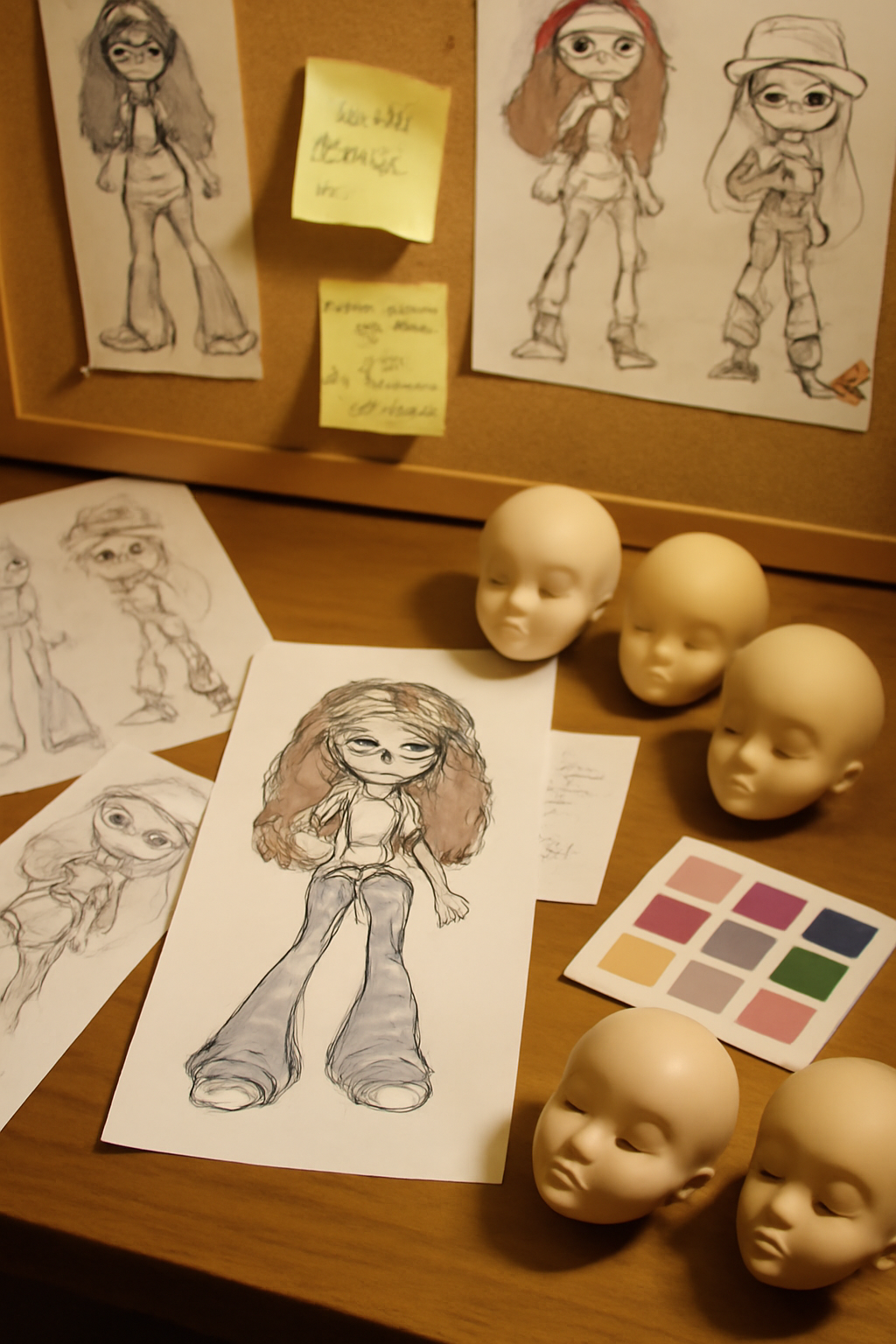
The Bratz doll line was created by MGA Entertainment, a company founded by Isaac Larian in 1979. If you have ever wondered who invented Bratz dolls or who created Bratz, the answer is Larian and his design team, who wanted a new kind of fashion doll that would stand out in a market dominated by traditional figures like Barbie. Many fans also ask when did Bratz dolls come out or when were Bratz dolls released. The first Bratz dolls came out in 2001, when the brand was made available to children all over the world. The first Bratz doll ever, named Yasmin, was released that same year, and she was soon joined by other characters, such as Cloe, Jade and Sasha. Each doll had a unique personality, style and backstory, appealing to a broader range of children and inviting them to explore their creativity through play.
The Bratz dolls history is a testament to innovation in the toy industry. Instead of the conventional, mature look of dolls like Barbie, Bratz dolls featured exaggerated features, including large eyes, full lips, and an array of hairstyles that reflected the latest trends. Their outfits were bold, colorful, and often inspired by urban fashion, allowing children to express themselves and their individuality. This new aesthetic resonated with young audiences, leading to a rapid rise in popularity. Bratz are part of a long tradition of fashion dolls that have reflected changing trends in style and culture.
From their inception, Bratz dolls were marketed with a strong emphasis on friendship and empowerment. The slogan "Be Bratz" encouraged children to embrace their unique qualities and celebrate diversity. This resonated with a generation seeking representation and authenticity in their toys. The popularity of the dolls led to the expansion of the Bratz brand, with the introduction of various spin-offs, including movies, video games, and clothing lines, solidifying their status as cultural icons.
The Evolution of Bratz Dolls: Key Releases and Milestones
As the years went by, the Bratz doll line continued to evolve, responding to trends and consumer demand. In 2005, MGA launched the Bratz Babyz, a line of baby dolls that appealed to younger audiences and introduced a new market segment. These dolls maintained the signature Bratz style while representing a more playful and nurturing aspect of childhood. This expansion allowed the brand to reach a wider demographic and solidified its place in the toy industry.
However, the Bratz dolls released in 2006 were pivotal in the brand's evolution. This year marked the release of the "Bratz Fashion Pixiez," which introduced a fantasy element to the line. The dolls were designed as pixies with shimmering wings and enchanted outfits, catering to children’s growing interest in fantasy genres. This innovative approach not only showcased MGA's creativity but also expanded the Bratz universe significantly.
By 2010, the Bratz dolls released that year featured a fresh redesign, with subtle changes to the dolls' facial features and body shapes. This evolution was indicative of the brand's commitment to staying relevant in an ever-changing market. Around the same time, other big-eyed fashion dolls such as Blythe dolls were also gaining a devoted following among collectors. The Bratz dolls of this era embraced trends that resonated with the current youth culture, including elements of pop music and street style. This adaptability ensured that Bratz remained a staple in the toy industry, even as new competitors emerged.
Bratz vs. Barbie: A Cultural Clash
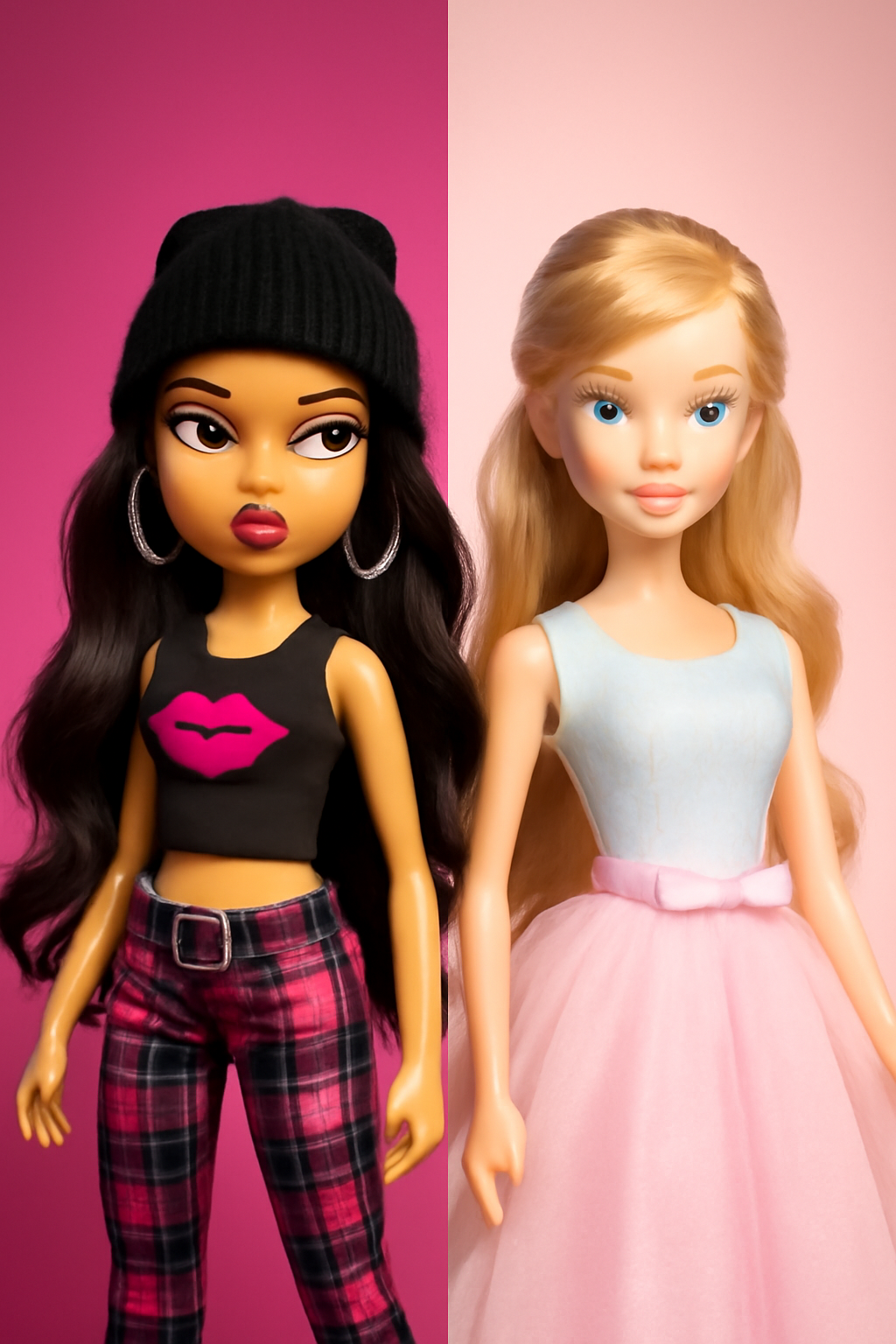
The emergence of Bratz dolls sparked a notable rivalry with Barbie, the long-reigning queen of dolls. While Barbie had established herself as a symbol of beauty and femininity, Bratz presented a different narrative. The Barbie and Bratz dolls rivalry was significant, as it represented two distinct philosophies about what dolls could represent. Barbie promoted a more traditional view of femininity, often focusing on career aspirations and beauty, while Bratz embraced a more diverse and edgy representation, emphasizing friendship, self-expression, and individuality.
This cultural clash resonated with parents and children alike, leading to debates about the implications of each doll's message. Many parents appreciated Bratz for offering a more relatable and modern portrayal of young girls, encouraging them to embrace their unique identities. On the other hand, some critics raised concerns about the dolls' exaggerated features and fashion choices, arguing that they could set unrealistic beauty standards.
Despite the controversy, the rivalry led to increased visibility for both brands, ultimately benefiting the toy industry as a whole. Children were exposed to a wider array of choices, allowing them to select dolls that resonated with their personalities and preferences. The Bratz dolls history reflects a significant shift in the toy industry, where diversity and representation became essential components of product development.
The Impact of Bratz Dolls on Fashion and Culture
Bratz dolls did not just influence the toy industry; they made a significant impact on the world of fashion. From the beginning, the original Bratz dolls slogan, “Be Bratz”, positioned the characters as bold, confident style leaders. Over time, the dolls themselves became powerful Bratz dolls symbols of diversity and self-expression, inspiring children to experiment with their clothing and develop their own style. The influence of Bratz extended beyond dolls, as they collaborated with fashion designers and launched their clothing lines, further solidifying their status in the fashion world.
The Bratz characters represented a diverse range of cultures and backgrounds, allowing children from various ethnicities to see themselves reflected in the toys they played with. This representation was groundbreaking at the time and played a crucial role in promoting inclusivity within the toy industry. The dolls encouraged children to celebrate their differences and embrace their individuality, fostering a sense of community and acceptance.
Moreover, the Bratz brand extended its reach into various media, producing animated series, movies, and merchandise that resonated with audiences. The Bratz doll look alike phenomenon emerged as fans began to create their interpretations of Bratz-inspired fashion, showcasing how the brand influenced not just play but also everyday style. This interplay between dolls and real-world fashion created a cultural dialogue that continues to thrive today.
The Resilience of Bratz Dolls: Challenges and Comebacks
Despite their initial success, the history of Bratz dolls has not been without challenges. The brand faced significant legal battles in the late 2000s when Mattel, the parent company of Barbie, claimed that MGA had stolen the idea for Bratz dolls. This lawsuit led to a tumultuous period for the brand, as sales fluctuated and the dolls' presence in stores diminished. However, the passion of fans and collectors kept the Bratz legacy alive, leading to a resurgence in popularity.
In 2015, MGA announced a revival of the Bratz brand, launching new dolls that embraced modern aesthetics while retaining the essence of their predecessors. This comeback was met with enthusiasm, as both new and old fans eagerly embraced the return of their beloved dolls. The new Bratz line introduced updated characters and designs that reflected contemporary fashion trends and cultural shifts. The revival showcased the enduring appeal of Bratz and its ability to adapt to changing times.
By 2018, the brand celebrated its 17th anniversary with a new line of dolls that honored the original designs while introducing fresh styles and personalities. This milestone not only marked a return to form but also highlighted the brand's resilience in the face of adversity. The Bratz dolls history serves as a reminder that even in challenging times, creativity and innovation can pave the way for success.
Bratz Dolls Today: Where Are They Now?
As of 2023, Bratz dolls continue to thrive, appealing to a new generation of children while maintaining a loyal fan base from the early 2000s. The brand has embraced digital platforms, launching interactive games and engaging social media campaigns that resonate with today’s tech-savvy youth. Online communities dedicated to Bratz culture have emerged, allowing fans to connect, share their collections, and celebrate their love for the dolls.
The Bratz universe has seen significant expansion, with the introduction of new characters and storylines that reflect current issues and trends. The brand's commitment to diversity and representation remains at the forefront, ensuring that children of all backgrounds can find a Bratz doll that speaks to them. Additionally, collaborations with influencers and fashion designers have reignited interest in the brand, showcasing its relevance in the contemporary market.
The impact of Bratz dolls extends beyond mere toys; they have become a cultural phenomenon that continues to inspire creativity, self-expression, and individuality. Whether through fashion, media, or social interactions, the legacy of Bratz lives on, proving that these dolls are more than just plastic figures—they are symbols of empowerment and creativity for children everywhere. Today, some Bratz releases are highly sought after and sit alongside many of the rarest dolls in history in collectors’ displays.
Bratz Dolls History: Quick FAQ
When did Bratz dolls come out?
Bratz dolls came out in 2001, when MGA Entertainment released the first line of dolls led by Yasmin.
When did Bratz dolls first come out?
Bratz dolls first came out in mid-2001, so 2001 is the year Bratz dolls came out and the year the brand officially launched.
When was Bratz created?
Bratz was created around 2000–2001, when Isaac Larian and his team at MGA Entertainment developed the new doll concept and prepared the first release.
Who invented Bratz dolls and who created Bratz?
Bratz dolls were invented by Carter Bryant and developed and created by Isaac Larian and the MGA Entertainment team, who wanted a more modern, edgy alternative to traditional fashion dolls.
What is a Bratz doll and what is Bratz?
A Bratz doll is a fashion doll with a big head, big eyes and bold, trendy outfits designed to reflect youth culture. Bratz is the overall brand that brings together these dolls, their friends, stories and media. For many fans, the Bratz meaning is closely tied to attitude, friendship and standing out from the crowd.
What is the history of Bratz dolls in one sentence?
In short, the history of Bratz dolls is the Bratz story of how a small, edgy doll line launched in 2001, disrupted the fashion-doll market and grew into a global cultural icon.
The Future of Bratz: What's Next?
Looking ahead, the future of Bratz dolls seems bright. With ongoing interest from fans and new generations of children discovering the brand, MGA is poised to continue introducing innovative products and engaging storylines. The potential for new collaborations with fashion designers and influencers could further expand the brand's reach and relevance in the ever-evolving toy market.
Moreover, the increasing emphasis on representation and inclusivity in toys suggests that Bratz will continue to be at the forefront of these conversations. As societal norms shift, the brand's commitment to celebrating diversity will likely play a crucial role in its future success. Bratz dolls are poised to adapt to changing cultural landscapes while maintaining their distinctive identity.
In conclusion, the history of Bratz dolls is a rich tapestry of creativity, resilience, and cultural significance. From their inception to their current status as icons of self-expression, Bratz dolls have left an indelible mark on the toy industry and beyond. As we look to the future, one thing is for certain: the spirit of "Be Bratz" will continue to inspire children to embrace their individuality and celebrate their unique qualities. If you’d like to explore the stories behind other iconic characters, you can also read our guide to famous dolls from around the world.