The History and Evolution of Reborn Dolls
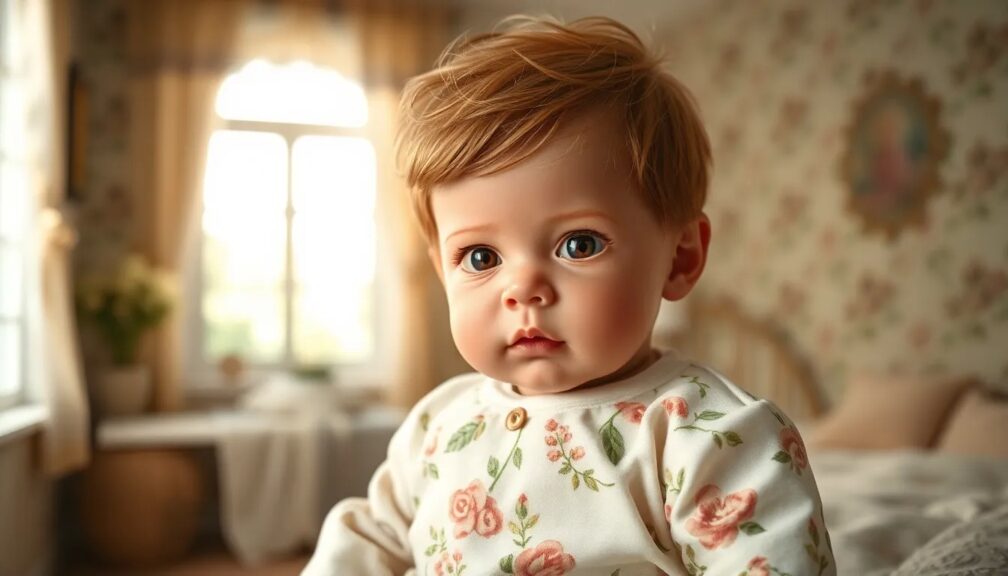
They breathe, they sleep, they look into your eyes — but they’re not real. Since the 1990s, reborn dolls have captivated collectors, comforted grieving parents, and sparked heated public debate. What began as a quiet artistic expression of loss and realism has grown into a global movement blending craftsmanship, emotion, and even advanced technology. Whether displayed in nurseries or used in hospitals and care homes, these lifelike dolls challenge our notions of art, motherhood, and human connection.
Tracing the evolution of reborn dolls reveals a fascinating intersection of artistry, psychology, and culture. From their handmade origins in American doll customizer communities to today’s global network of artists and AI-enhanced creations, this journey explores how materials, techniques, and emotional needs have shaped a phenomenon that is much more than a hobby. Along the way, we’ll examine their cultural impact, the controversies they stir, and what the future holds for one of the most lifelike forms of expression in the modern world.
What Are Reborn Dolls?
Brief Definition
Reborn dolls are hyper-realistic, handcrafted dolls that are designed to resemble real human infants as closely as possible. These dolls are typically made from vinyl or silicone and undergo an intricate “reborning” process that includes painting multiple skin tones, rooting individual strands of hair, applying veins, and even weighting the body to mimic the heft and feel of a real baby. The artistry is so detailed that some reborn dolls have heartbeat sounds, breathing simulators, and soft skin textures to enhance realism. The result is a lifelike baby doll that can be easily mistaken for a real newborn at first glance.
Why They Are Different from Regular Dolls
Unlike standard mass-produced dolls, which often emphasize durability and simplified features for play, reborn dolls are created as collectible art pieces. Each reborn doll is a one-of-a-kind creation, often taking days or even weeks to complete by skilled artists. While traditional dolls may be designed for rough handling and playtime, reborn dolls are crafted with fine materials and delicate techniques that prioritize realism over durability.
Additionally, reborn dolls are usually made for a different audience. While regular dolls are mostly marketed to children, reborn dolls appeal to a broader demographic — including adult collectors, artists, parents coping with loss, and individuals seeking companionship or emotional support. Their lifelike nature places them in a unique category that bridges the gap between art, therapy, and personal expression.
Emotional and Therapeutic Purposes
One of the most profound aspects of reborn dolls lies in their emotional and therapeutic value. For some, they serve as comforting companions during times of grief, particularly for mothers who have lost a child through miscarriage, stillbirth, or infant loss. Holding and caring for a reborn doll can offer a sense of routine, nurture, and emotional connection, helping individuals process complex feelings.
In therapeutic settings, reborn dolls are sometimes used with elderly individuals, especially those living with Alzheimer’s disease or dementia. The act of holding, rocking, or caring for a doll can evoke nurturing instincts and bring about calmness, reduce anxiety, and provide a sense of purpose. This practice, often referred to as "doll therapy," is not about deception, but about fostering positive emotional states and engagement.
For others, reborn dolls provide a safe and nonjudgmental way to express maternal or paternal feelings, cope with loneliness, or even manage anxiety. Collectors and enthusiasts often describe a deep emotional bond with their reborn dolls, seeing them as companions, therapeutic tools, or artistic representations of love, care, and memory.
The Origins of Reborn Dolls
When and How the Reborn Doll Movement Began
The reborn doll movement began in the early-to-mid 1990s in the United States, born out of a desire among collectors and artists to create dolls that looked more realistic than the mass-produced options available at the time. Initially, the movement was a grassroots effort, with doll enthusiasts taking factory-made baby dolls and “reborning” them — a process that involved stripping off the original paint, repainting the skin in multiple layers, and replacing the factory eyes and hair with higher-quality materials.
This emerging art form coincided with growing dissatisfaction among adult doll collectors who longed for more emotional and realistic representations of infants. The term “reborn” soon came to describe these heavily modified dolls that were transformed to closely resemble real human babies. By the late 1990s, the reborn doll had become an identifiable niche in the doll collecting world, and demand began to rise.
The Influence of Doll Customization Communities
The roots of the reborn doll movement can be traced back to long-standing traditions within doll customization communities, where creativity and craftsmanship have always played a key role. Artists who previously customized porcelain or vinyl dolls for realism began applying those same techniques — such as multi-layered painting, hand-rooted mohair, and realistic glass eyes — to baby dolls.
These communities shared a passion for modifying dolls not just for beauty, but to reflect individual vision and emotion. Reborning was a natural extension of that practice, and as artists began sharing their techniques, the reborn doll community grew rapidly. What had once been a hobby for a handful of artisans turned into a vibrant subculture fueled by artistic expression, emotional resonance, and an appreciation for realism.
Role of Early Online Forums and Artists
The early 2000s saw the rapid expansion of the reborn doll movement thanks to the rise of internet forums, chat groups, and online marketplaces. Platforms like eBay played a major role, giving artists a global stage to showcase and sell their creations. At the same time, forums dedicated to doll collecting and reborning, such as Doll-Fan and other niche online communities, provided spaces for artists and collectors to exchange tips, offer feedback, and build a sense of shared identity.
Pioneering artists — many of whom were self-taught — began to gain recognition for their extraordinary craftsmanship. They posted tutorials, held online classes, and even created starter kits, making the art of reborning accessible to a wider audience. The Internet served as a catalyst, transforming what began as a niche hobby into an international movement. By the mid-2000s, reborn dolls were being featured in documentaries, news segments, and even psychological studies, reflecting both their popularity and their controversial allure.
In essence, the reborn doll movement was shaped by a unique convergence of artistic innovation, emotional need, and online connectivity. It started as a deeply personal art form and evolved into a global community driven by realism, creativity, and human connection.
Evolution Through the Years
How Materials, Techniques, and Realism Improved Over Time
Since their early beginnings in the 1990s, reborn dolls have undergone a dramatic evolution in terms of artistry, materials, and lifelike realism. What started as simple modifications to store-bought dolls has become a specialized and respected form of sculptural art.
In the early days, artists were limited by the availability of materials and relied mostly on acrylic paints, basic glass or acrylic eyes, and synthetic hair. Over time, however, as the community expanded and expectations for realism grew, new materials and refined techniques became the norm. Artists began studying real infant anatomy, experimenting with color layering, and even incorporating photography into their process to better replicate newborn skin tones and features.
The transformation was not just cosmetic — it also extended to how the dolls felt in the hands. Reborn artists began weighting dolls with fine glass beads or poly pellets to simulate the weight and movement of a real baby. Vinyl limbs were softened, and full-body silicone dolls were introduced for even more tactile realism.
The Rise of Heat-Set Paints, Glass Eyes, Rooted Mohair, and More
A major leap in realism came with the introduction of Genesis heat-set paints, a type of pigment that is baked onto the vinyl rather than air-dried. These paints allow artists to build up translucent skin tones layer by layer, producing natural undertones, veining, mottling, and capillaries — all of which add to the illusion of living skin. Unlike traditional acrylics, heat-set paints are more durable and less prone to fading or chipping, making them the preferred choice for serious reborn artists.
Other advances include:
- High-grade glass eyes, which replaced basic plastic or acrylic options, offering a wet, glossy finish and enhanced depth.
- Rooted mohair, applied one strand at a time with a fine needle, giving the hair a soft, newborn-like texture and the ability to be gently styled. Some artists even micro-root hair, placing one strand per follicle hole to match real hair growth patterns.
- Magnetic pacifiers and feeding tubes, which added realism and interactivity without damaging the doll.
- Breathing mechanisms, heartbeat modules, and heat packs that simulate life functions for enhanced emotional impact.
These innovations allowed artists to push boundaries and produce dolls that were virtually indistinguishable from real infants in photos — and often in person.
How Demand Influenced Innovation
As awareness of reborn dolls grew — through online platforms, media coverage, and word of mouth — demand began to shape the industry. Collectors and therapy users became more discerning, looking for dolls that not only looked real but also felt emotionally authentic. This growing demand motivated artists and manufacturers to create more advanced doll kits, invest in better molds, and even consult medical professionals to ensure anatomical accuracy.
In response, sculptors began designing realborn kits — 3D-scanned molds based on actual newborns — which provided a level of detail and proportion never seen before. Entire cottage industries sprang up around reborn supplies, including specialty paints, rooting tools, adhesives, and even lifelike baby clothing sized specifically for reborn proportions.
Moreover, the commercial and therapeutic value of reborn dolls attracted the attention of both small businesses and larger retailers. As the reborn community expanded globally, innovation became not just an artistic pursuit but also a competitive necessity. Artists continually pushed for new standards of hyperrealism, giving rise to award-winning creations that bridge the gap between doll artistry, emotional healing, and sculptural excellence.
Key Milestones in Reborn Doll History
First Major Reborn Doll Kits
One of the most significant turning points in reborn doll history came with the release of the first dedicated reborn doll kits in the early 2000s. Prior to that, reborn artists had to strip and modify existing commercial dolls, which limited artistic freedom and often compromised anatomical accuracy.
The introduction of blank vinyl kits specifically designed for reborning changed everything. These kits came unpainted and unassembled, offering artists a neutral canvas to work from — with pre-sculpted realistic features such as open noses, curled fingers, and detailed creases. Popular early kits like “Berenguer” and eventually the Realborn® series (produced from 3D scans of real babies) revolutionized the field, making it easier for both new and experienced artists to produce consistently high-quality dolls.
These kits marked the beginning of reborn dolls as a formal art discipline, allowing sculptors and painters to collaborate in new ways and raising the standard for hyperrealism in the community.
Formation of Reborn Doll Conventions and Expos
As the reborn community flourished online, artists and collectors sought to connect in person. This led to the formation of reborn doll conventions and expos, which provided opportunities for fans to exhibit their dolls, learn new techniques, and celebrate the craft together.
One of the earliest and most influential events was the International Reborn Doll Artists (IRDA) Conference, which brought together artists from around the world to share their work and educate others. Later events like the ROSE International Doll Expo (Reborns, Originals, and Sculpted Editions), held annually in the U.S., became central hubs for the community.
These conventions helped formalize reborn artistry, offering classes, competitions, product showcases, and award ceremonies. They also created a sense of legitimacy and visibility, allowing the general public to engage with the dolls in a more educational and artistic context.
Media Exposure and Popularization
The reborn doll phenomenon began attracting widespread media attention in the mid-to-late 2000s. Television segments, documentaries, and news articles showcased the incredible realism of the dolls — sometimes with fascination, sometimes with skepticism.
Programs like ABC’s “20/20,” the BBC’s “My Fake Baby,” and segments on CNN and Oprah introduced the reborn world to mainstream audiences. These appearances sparked intense public interest and debate, often focusing on the emotional relationships people formed with the dolls.
While the media coverage was sometimes sensationalized, it helped to popularize reborn dolls globally, sparking curiosity and bringing new artists, collectors, and even therapists into the fold. Online marketplaces like eBay and Etsy saw surges in reborn doll sales, and the art form began to be recognized not just as a niche hobby, but as a compelling cultural movement.
Entry into Therapeutic and Psychological Fields
Another major milestone in reborn doll history was their entry into therapeutic and psychological care. Mental health professionals, especially those working with grieving mothers, elderly patients with dementia, and individuals with anxiety or PTSD, began to recognize the dolls’ unique emotional impact.
Reborn dolls have since been used in:
- Grief therapy, helping parents cope with pregnancy or infant loss.
- Elder care, particularly for those with Alzheimer’s or other forms of dementia, where the dolls stimulate nurturing instincts, reduce agitation, and promote calmness.
- Anxiety and trauma recovery, offering comfort, routine, and grounding through tactile and emotional interaction.
Though not without controversy, this application has been supported by anecdotal evidence and case studies, and continues to be explored in psychological and geriatric fields. The “doll therapy” movement has become a legitimate subset of caregiving, with reborn dolls playing a central role in non-pharmacological treatment strategies.
Cultural Impact and Controversies
Public and Media Reactions Over the Years
Reborn dolls have had a complex and often polarizing relationship with mainstream culture. Since their emergence in the late 1990s and early 2000s, they’ve captured the public imagination, sometimes with admiration and other times with discomfort or misunderstanding.
Media portrayals have played a significant role in shaping public perception. Documentaries such as the BBC’s My Fake Baby and features on programs like Dr. Phil, 20/20, and The Doctors brought reborn dolls into millions of households. These features often highlighted the dolls’ hyperrealism, emotional connections with owners, and sometimes controversial use in therapy, sparking widespread fascination and debate.
While many viewers were moved by the emotional stories shared by reborn collectors and grieving parents, others found the lifelike nature of the dolls uncanny or unsettling. Terms like "uncanny valley" became part of the discussion, as people reacted to the dolls’ eerily lifelike but motionless features.
Despite these mixed reactions, reborn dolls have undeniably entered the broader cultural conversation, appearing in art galleries, film projects, and psychological studies. They challenge traditional boundaries between play, art, and therapeutic care — forcing society to reexamine ideas about emotional attachment, grief, and healing.
Therapeutic Uses (Grief Therapy, Alzheimer’s Care)
One of the most powerful and transformative aspects of reborn dolls is their therapeutic potential. Although they were originally created for collectors and artists, reborn dolls have found a meaningful role in healthcare and emotional support contexts.
Grief Therapy
Reborn dolls have been used to help mothers who have experienced pregnancy or infant loss. These dolls offer a non-judgmental, deeply personal way for grieving individuals to process loss. Holding and caring for a reborn doll can simulate comforting rituals and foster a sense of connection that helps some people move through the stages of grief.
Importantly, these dolls are not meant to replace the lost child or deceive the parent. Instead, they serve as a temporary emotional bridge, providing comfort in moments of acute pain and helping individuals transition toward healing.
Alzheimer’s and Dementia Care
In elderly care, reborn dolls have become part of non-pharmacological interventions for patients with Alzheimer’s disease and other forms of dementia. Known as “doll therapy”, this practice is based on research suggesting that nurturing instincts remain intact even as other cognitive functions decline.
Reborn dolls can help reduce agitation, encourage communication, and bring a sense of purpose to patients. They are often used in memory care units, where they provide comfort, help regulate mood, and stimulate positive emotional responses. Unlike traditional baby dolls, reborns provide a more realistic and engaging experience, making them particularly effective for this population.
While not universally embraced in clinical settings, many caregivers report profound improvements in emotional wellbeing and behavior among patients who interact with reborn dolls.
Criticism and Ethical Debates
Despite their benefits and artistic value, reborn dolls have not been free from criticism and ethical controversy. Concerns generally fall into three main categories:
Emotional Substitution and Dependence
Some critics argue that relying on reborn dolls for emotional support could delay or prevent healthy grieving, especially if individuals use the dolls as a substitute for dealing with real loss. Mental health professionals are divided: some see reborns as valuable transitional tools, while others warn of emotional avoidance or prolonged denial.
Consent and Deception
Reborn dolls are sometimes so realistic that they have triggered emergency responses, including police involvement when passersby mistake them for real infants. This has raised questions about public safety, informed consent, and the responsibilities of reborn doll owners when displaying or transporting their dolls in public settings.
Representation in Media
Many media portrayals have sensationalized reborn collectors, focusing on the most extreme or emotionally charged cases. This has contributed to misconceptions and stigmatization of the broader reborn community, painting doll owners as delusional or emotionally unstable. In reality, most collectors are aware that the dolls are not real babies, and their attachment is no different from that of collectors of other hyperrealistic art forms.
These ethical debates continue to evolve as reborn dolls gain more visibility. They touch on deep human themes: the nature of grief, the boundaries of therapy, and the role of art in emotional life.
Reborn Dolls Today: A Global Community
Current Status of the Reborn Doll Industry
What began as a niche artistic movement in the 1990s has evolved into a multi-million-dollar global industry. Today, the reborn doll market includes a vast ecosystem of artists, sculptors, kit manufacturers, supply vendors, collectors, and therapists. From custom one-of-a-kind creations to mass-produced kits, the reborn world offers options for every level of interest and investment.
Major brands like Bountiful Baby, McPherson Arts & Crafts, and Irresistables supply thousands of artists with raw materials including vinyl kits, mohair, heat-set paints, and even breathing or heartbeat mechanisms. These resources have made it possible for a growing number of independent artists to run full-time reborn businesses from their studios, often with long waitlists and high demand.
Meanwhile, reborn dolls are no longer confined to online shops or private collectors. They are now featured in boutique galleries, hospital therapy programs, elder care centers, and even museum exhibits dedicated to hyperrealistic art. The industry continues to expand as new generations of artists enter the field and the therapeutic uses gain broader medical recognition.
International Adoption and Fanbases
Though reborn dolls originated in the United States, the movement has since taken root in dozens of countries worldwide. Today, some of the most passionate reborn communities are found in the United Kingdom, Germany, Australia, Brazil, Canada, Japan, and Russia. These international collectors and artists contribute unique cultural perspectives and aesthetics, enriching the diversity of styles and interpretations within the reborn art form.
Online marketplaces have also facilitated the globalization of the hobby. Collectors can now purchase reborn dolls from artists across the world, often customizing their orders down to the smallest detail — from skin tone and hair color to birthmarks and clothing style.
Major reborn conventions such as ROSE (U.S.), ID&TS (International Doll and Teddy Show), and smaller regional events in Europe, South America, and Asia have helped foster a truly interconnected global network of reborn enthusiasts. Language and geographic barriers are often overcome by a shared passion for realism, craftsmanship, and emotional expression.
Social Media Influence and Collector Trends
Social media has played a transformative role in the evolution of the reborn doll community. Platforms like Instagram, Facebook, YouTube, and TikTok have allowed artists and collectors to showcase their work, share tips, and connect with a broader audience.
On YouTube, reborn “mommy vlogs” offer lifelike roleplay routines — such as diaper changes, feeding, and nursery tours — giving outsiders a glimpse into the deeply immersive experience that some collectors enjoy. Meanwhile, TikTok has introduced reborns to a younger, tech-savvy audience through unboxing videos, comedy skits, and time-lapse painting clips that frequently go viral.
Social media has also influenced collector trends. There’s growing interest in:
- Ethnically diverse reborns that reflect global representation.
- Fantasy reborns (e.g., elves, vampires, mermaid babies).
- Realborns, created using 3D scans of actual infants.
- Reborn toddler and child dolls, expanding beyond the newborn aesthetic.
- Interactive features, like weighted bodies, magnetic pacifiers, or implanted heartbeat simulators.
The collector base has expanded to include not just women, but also men, LGBTQ+ individuals, couples, and artists of all ages, all finding emotional or artistic fulfillment in the reborn world. As the community continues to evolve, reborns are no longer seen merely as dolls — but as works of art, tools of healing, and symbols of identity.
The Future of Reborn Dolls
Technological Advancements: AI and Lifelike Movements
As technology continues to blur the line between reality and simulation, the reborn doll industry is on the cusp of a new era. While hyperrealistic painting techniques, rooted mohair, and glass eyes have long defined the artistry of reborns, emerging technologies are set to elevate them to unprecedented levels of interactivity and realism.
One of the most significant developments is the integration of artificial intelligence (AI) and mechanized components. A new generation of reborn dolls is beginning to feature:
- Responsive facial expressions
- Soft robotic limb movement
- Voice recognition and playback
- Simulated breathing, heartbeat, and cooing sounds
- Smart sensors for touch and temperature response
These features allow reborn dolls to "react" to their environment and the person interacting with them, adding a new layer of emotional connection. For therapeutic use, particularly in Alzheimer's care and grief therapy, these enhancements can create deeper engagement and soothing experiences.
Innovative startups and medical developers are also exploring ways to customize AI interactions based on user behavior, creating dolls that can respond with calming vocal tones, timed breathing rhythms, or even “wake” and “sleep” cycles that match a caregiver’s routine.
However, as technology advances, ethical questions intensify. Some worry that too much realism or interactivity could blur psychological boundaries, especially in therapeutic settings or among vulnerable users. As a result, future development will likely need to strike a careful balance between realism, functionality, and ethical responsibility.
How History Shapes the Modern Reborn Doll Market
Understanding the origins and evolution of reborn dolls is essential to predicting their future. The early days of hand-painted vinyl dolls, rooted in grief, artistry, and emotional expression, continue to shape how collectors and artists approach the craft today.
The history of customization, community-building, and therapeutic use has established core values that are unlikely to change — even as materials and technologies evolve. For example:
- The do-it-yourself (DIY) aspect remains strong, with many artists preferring traditional hand-painting and rooted hair over digital shortcuts.
- The global reborn community places high value on emotional authenticity, realism, and personal storytelling — ensuring that even as AI and robotics advance, emotional connection will remain the central pillar of the art form.
- The emphasis on representation, with growing demand for ethnically diverse and differently-abled reborn dolls, will likely continue to shape both creative choices and market expectations.
In this way, the future of reborn dolls will be deeply informed by their past — evolving not by replacing traditional methods, but by layering innovation on top of a foundation built on care, expression, and human connection.