The Fascinating History and Cultural Impact of Blythe Dolls
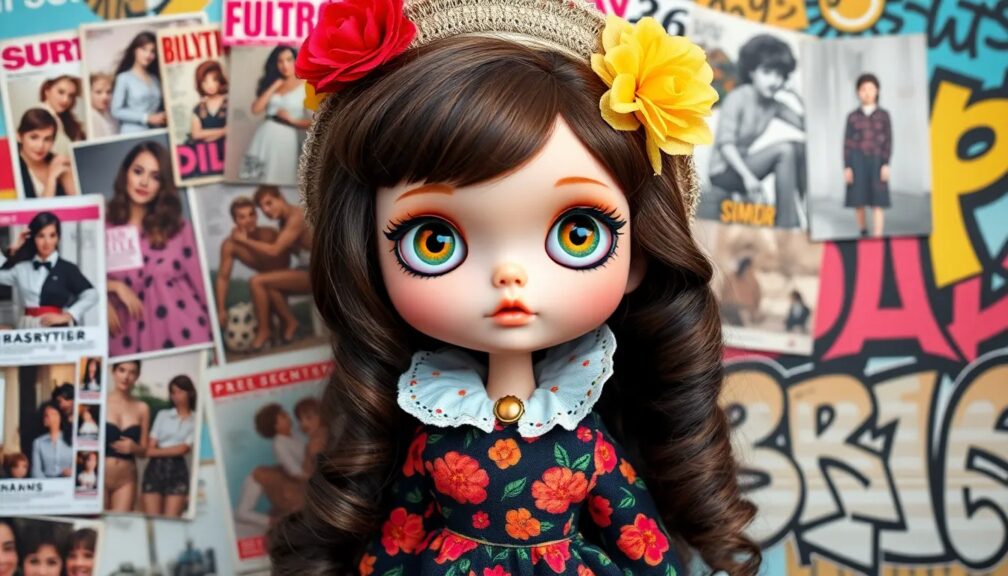
Did you know that the original Blythe dolls were created in 1972 but were quickly discontinued due to their peculiar design? With their oversized heads and strikingly large eyes that change color with a pull of a string, these dolls not only turned heads but also captured the imaginations of collectors and enthusiasts around the globe. Blythe dolls are among the famous dolls that have had a lasting cultural impact. Fast forward to today, and the Blythe doll has become a cherished icon, celebrated for its unique aesthetic and cultural impact, transcending generations and resonating deeply with those who have a love for artistry and nostalgia.
What began as a commercial failure has transformed into one of the most fascinating success stories in the world of dolls. The journey from discontinued toy to coveted collectible is a testament to how unconventional beauty and artistic vision can eventually find their audience, even if it takes three decades.
This article will delve into the rich history and evolution of Blythe dolls, exploring their creation, the cultural phenomenon they inspired, and the impact they have had on the world of collectibles. From their initial design and the artistic vision behind them to their resurgence in popularity and the vibrant community that surrounds them, we will uncover the charm and significance of these beloved dolls. Whether you're discovering Blythe for the first time or deepening your appreciation for these unique collectibles, you'll find comprehensive answers to essential questions about these remarkable dolls.
What is a Blythe Doll? The Essential Definition
If you're searching for "what is a Blythe doll" or wondering "what are Blythe dolls," here's everything you need to know about these distinctive collectibles before we dive into their fascinating history.
Defining What is Blythe: Core Physical Specifications
A Blythe doll is a fashion doll defined by specific physical characteristics that distinguish it in the world of dolls:
Physical Dimensions and Construction:
- Head size: Approximately 10-11 cm in circumference (significantly oversized for the body)
- Standard height (Neo Blythe): 28-29 cm from head to toe
- Head-to-body ratio: Approximately 1:3 (whereas realistic human proportions are closer to 1:7)
- Weight: 150-200 grams depending on model and customization
- Material composition: Hard vinyl or ABS plastic head; jointed plastic body
Anatomical Structure:
- Head: Single-piece hollow construction with scalp plate for hair implantation
- Body: Multi-piece articulated body with joints at neck, shoulders, and hips (some models include elbow and knee joints)
- Hands: Non-articulated, typically molded in fixed positions
- Feet: Flat-soled without individual toe definition, designed to work with miniature footwear
What is Blythe? Understanding the Eye Mechanism

The defining feature that answers "what is a Blythe doll" is the patented color-changing eye mechanism:
Technical Specifications:
- Eyechips: Four individual acrylic or glass discs (typically 13-14mm diameter for Neo Blythe)
- Rotation mechanism: Internal gear system activated by pull-string at the head's posterior
- Color positions: Each pull rotates through four distinct eye colors in sequence
- Viewing angle: Eyes can face forward, side-glance left, side-glance right, or appear partially closed depending on position
- Similar to porcelain dolls, which are prized for their craftsmanship, Blythe dolls became an artistic canvas for collectors and artists alike.
How the Mechanism Works: Inside the head, a circular plate holds four separate eyechips. When you pull the cord, a gear system rotates this plate 90 degrees, bringing a different color pair into view through the eye sockets. This mechanical simplicity has remained largely unchanged since the original 1972 design, though modern manufacturing has improved precision and durability.
Blythe Doll Characteristics: Size Variations
What are Blythe dolls in terms of size options? Three distinct categories exist:
Neo Blythe (Standard Collectible):
- Height: 28-29 cm
- Head circumference: 10-11 cm
- Eye mechanism: Full four-color rotation
- Articulation: Minimum 3 joints (neck, shoulders, hips); premium models offer up to 17 points
- Wardrobe compatibility: Standard 1/6 scale fashion doll clothing with adjustments
Middie Blythe (Medium Size):
- Height: 20 cm (approximately 70% of Neo size)
- Head circumference: 7-8 cm
- Eye mechanism: Full four-color rotation (scaled down)
- Articulation: Basic 3-point articulation standard
- Wardrobe compatibility: Limited commercial options; often requires custom-made clothing
Petite Blythe (Miniature):
- Height: 11 cm (approximately 38% of Neo size)
- Head circumference: 4-5 cm
- Eye mechanism: NONE (fixed painted eyes only)
- Articulation: Head rotation only; fixed pose body
- Wardrobe compatibility: Extremely limited; primarily custom or handmade items
Important Note: Only Neo and Middie Blythe feature the signature color-changing eye mechanism. Petite Blythe dolls have painted static eyes, making them fundamentally different from their larger counterparts.
Material Composition: What Are Blythe Dolls Made Of?
Understanding what is a Blythe doll includes knowing the materials:
Head Construction:
- Shell: Rigid vinyl (PVC) or ABS plastic depending on manufacturer and era
- Finish: Matte or semi-gloss surface treatment
- Hair: Saran fiber (most common), nylon, or mohair, implanted in rows into scalp plate
- Face paint: Screen-printed (factory) or hand-painted (custom) using acrylic paints
Body Construction:
- Torso: Hollow rigid plastic (lighter weight than head)
- Limbs: Hollow molded plastic with internal joint mechanisms
- Joints: Elastic cord system (older models) or click-joint system (newer models)
- Skin tone: Various formulations of colored plastic; some models feature painted or airbrushed details
Internal Components:
- Elastic cords connecting limbs
- Metal springs in eye mechanism
- Plastic gears for eye rotation
- Steel pull-cord with protective housing
Authentic vs. Factory Dolls: Critical Distinctions
When researching "what are Blythe dolls," understanding authenticity is essential:
Officially Licensed Blythe (Takara/Hasbro):
- Markings: Clear "Takara," "Takara Tomy," or "Hasbro" stamp on back of neck or torso
- Packaging: High-quality boxes with official logos, multi-language text, and product codes
- Price range: $150-$800+ USD for Neo Blythe; $80-$150 for Middie; $25-$50 for Petite
- Quality indicators: Precise eye mechanism (smooth rotation), clean face screening, evenly implanted hair
- Warranty: Some retailers offer authentication guarantees
Factory Dolls (Unlicensed Replicas):
- Markings: Generic stamps, Chinese characters only, or no markings
- Packaging: Basic cardboard boxes, typos in English text, missing official logos
- Price range: $30-$80 USD for Neo-sized clones
- Quality indicators: Imprecise eye mechanism (sticking, uneven rotation), lower-resolution face printing, irregular hair plugging
- Legality: Technically copyright infringement; quality varies significantly by manufacturer
Custom Blythe:
- Base doll: Can start as authentic Takara or factory doll
- Value: $300-$1,500+ USD depending on artist reputation
- Identification: Artist signature, certificate of authenticity, documented transformation process
- Uniqueness: One-of-a-kind modifications including facial carving, repainting, custom eyes
What is Blythe in Comparison to Other Fashion Dolls?
To fully understand what is a Blythe doll, consider how she compares in the world of dolls:
| Feature | Blythe | Barbie | Pullip | Ball-Jointed Dolls |
|---|---|---|---|---|
| Height | 28-29cm | 29cm | 27-31cm | 40-70cm typical |
| Head size | Oversized (1:3) | Proportional (1:7) | Large (1:4) | Proportional (1:7) |
| Eye mechanism | 4-color rotation | Static painted | 2-position | Glass inset, static |
| Primary audience | Adult collectors/artists | Children & collectors | Adult collectors | Adult collectors |
| Customization culture | Extremely active | Moderate | Moderate | Extremely active |
| Price range | $150-$800+ | $10-$300 | $100-$250 | $300-$1,500+ |
| Face style | Neutral, childlike | Mature, glamorous | Anime-inspired | Realistic or artistic |
What distinguishes Blythe is the combination of oversized head, mechanical color-changing eyes, and neutral expression that serves as an artistic canvas—features no other mainstream fashion doll offers in this specific configuration. This artistic flexibility and customizable nature are also common in ball-jointed dolls, another popular collectible category.
Why Blythe Doll Characteristics Matter for Collectors
Understanding blythe doll characteristics helps you:
For Purchasing Decisions:
- Identify authentic vs. replica dolls before buying
- Understand pricing structures across different sizes and editions
- Select appropriate size based on display space and budget
- Verify seller claims about doll specifications
For Photography and Display:
- Choose appropriate props and backdrops scaled to doll size
- Understand lighting needs for optimal eye color presentation
- Plan display cases with correct dimensions
- Select appropriate stands and support systems
For Wardrobe and Accessories:
- Order clothing in correct scale (1/6 for Neo, custom for Middie/Petite)
- Understand shoe size specifications (S, M, L in Blythe-specific sizing)
- Source compatible wigs and eye chips for customization
- Plan for storage of multiple outfits and accessories
Now that you understand the fundamental answer to "what is a Blythe doll"—the physical specifications, mechanical features, size variations, and distinctive characteristics—let's explore the remarkable journey these unique dolls have taken through history.
The Birth of Blythe: A Unique Creation
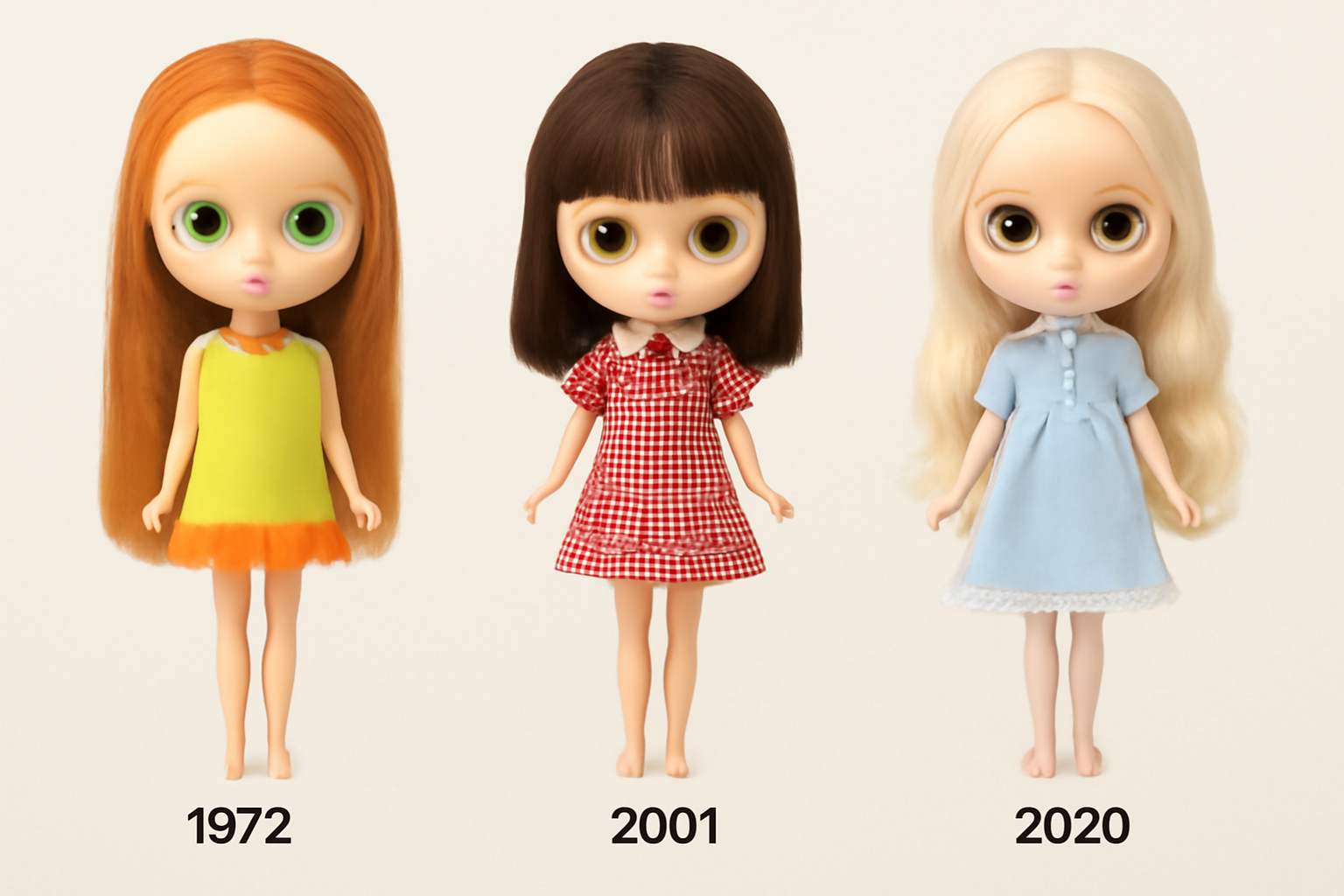
The inception of the Blythe doll can be traced back to the creative mind of designer Allison Katzman, who envisioned a doll that would stand apart from the traditional options available in the market. Released by Kenner in 1972, the doll was initially intended to appeal to children. However, its unusual features—such as its disproportionately large head and the ability for its eyes to change color—made it a commercial failure. By the end of 1972, Blythe dolls were pulled from the shelves, marking the beginning of a story that would take many unexpected turns.
Despite its short-lived run, the history of Blythe did not end there. In the years that followed, the dolls gained a cult following among adult collectors and artists who appreciated their distinctive style. The dolls were often seen as a form of self-expression, allowing collectors to customize and style them in countless ways. This underground movement breathed new life into the Blythe doll, transforming it from a forgotten toy into a sought-after collectible.
The story of Blythe dolls is also intertwined with the artistic movement of the late 20th century. Much like Barbie, Blythe dolls have evolved over time to reflect different cultural trends and styles. Artists began to use these dolls as canvases for their creativity, leading to a resurgence in popularity and a deeper exploration of the doll's aesthetic. The combination of nostalgia and innovation paved the way for Blythe dolls to become a symbol of individuality and artistic expression.
The Resurgence: Blythe Dolls in Popular Culture
The revival of interest in Blythe dolls can largely be attributed to the efforts of Japanese company Takara, which acquired the rights to produce the dolls in 2001. With a fresh design and modern marketing strategies, Takara reintroduced the Blythe doll to a new generation. The dolls were released in various themes and styles, appealing to both collectors and children alike. The Blythe doll wiki offers a wealth of information on these releases, showcasing the creativity and diversity that has become synonymous with the brand.
One of the significant milestones in the Blythe doll history was the collaboration with various artists, designers, and brands. This collaboration not only enhanced the doll’s aesthetic appeal but also solidified its status as a cultural icon. Limited edition dolls were produced in collaboration with renowned designers and artists, turning them into coveted collector’s items. This further fueled the passion within the Blythe dolls history and transformed them into works of art that appealed to both collectors and fashion enthusiasts.
Social media played an essential role in the revival of Blythe dolls, as platforms like Instagram and Pinterest allowed enthusiasts to share their collections and customized dolls with a global audience. The #Blythe hashtag became a hub for creativity, where fans could connect, inspire one another, and showcase their artistry. From elaborate photoshoots to intricate customizations, the community surrounding Blythe dolls flourished, reinforcing the idea that these dolls are not just toys but are a form of artistic expression.
The Art of Customization: A Personal Touch
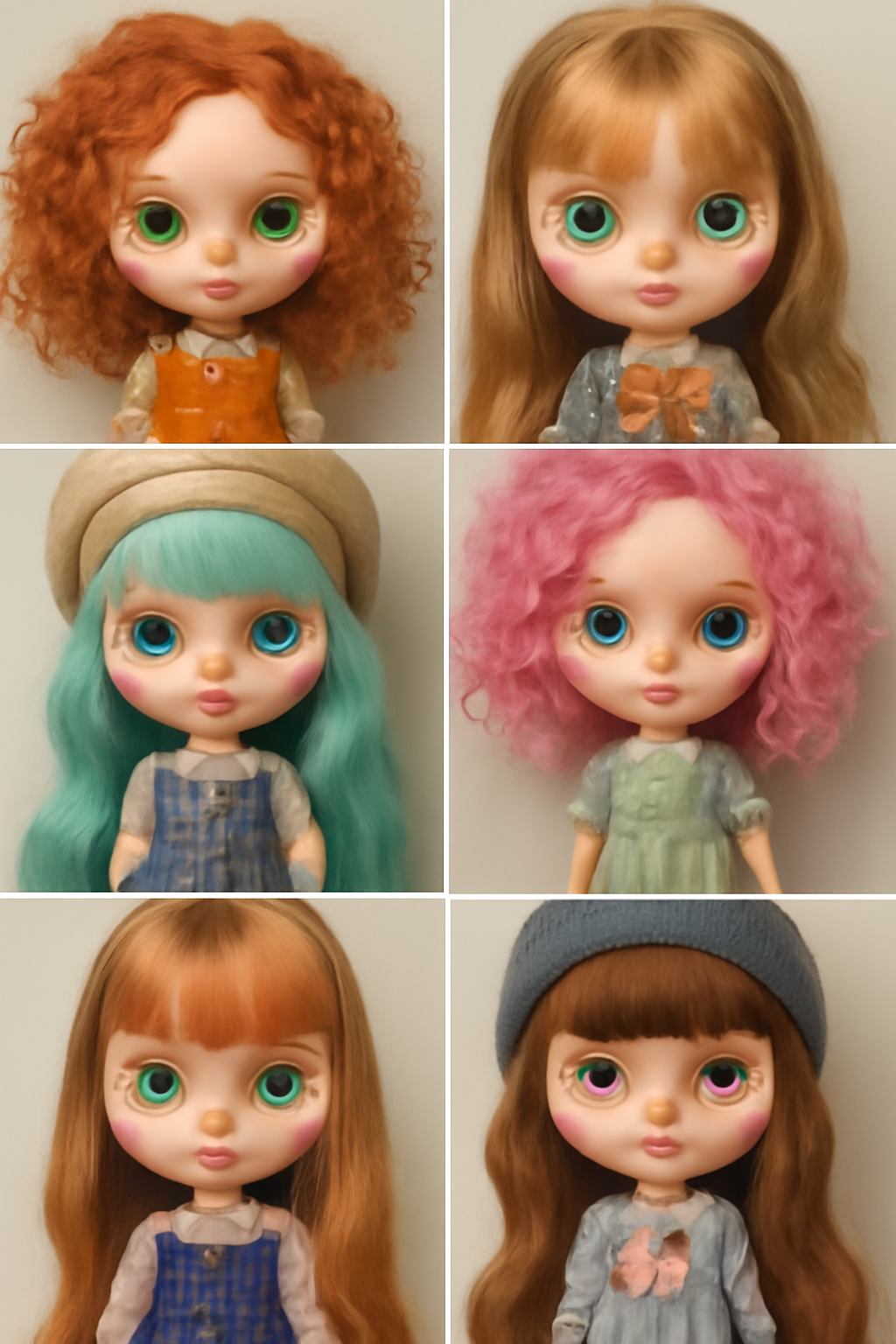
One of the most enchanting aspects of Blythe dolls is the world of customization. Collectors and artists alike have embraced the opportunity to transform these dolls into unique creations that reflect their personal style and artistic vision. This practice has led to a vibrant subculture within the Blythe doll community, where enthusiasts spend hours perfecting every detail of their dolls.
Customization can range from simple alterations, such as changing the doll's eye color or hairstyle, to more elaborate modifications that involve repainting the face or creating entirely new outfits. This customization culture is similar to that seen with reborn dolls, which are also transformed into unique works of art. This level of personalization allows collectors to tell their own stories through their dolls, making each piece truly one-of-a-kind. The Blythe doll wiki highlights many talented artists who have made a name for themselves in the customization scene, showcasing their incredible work and inspiring new collectors to explore their creativity.
The process of customizing a Blythe doll often involves a deep understanding of the materials and techniques used in doll-making. Collectors learn about different types of paints, fabrics, and accessories, allowing them to refine their skills and elevate their creations. Many enthusiasts even form communities where they can share tips, tricks, and tutorials, fostering a sense of collaboration and support among fellow artists. This shared passion for customization not only strengthens the community but also elevates the Blythe doll history as a whole.
Furthermore, the customization of Blythe dolls has also inspired a new wave of artistic expression in other mediums. Many artists have drawn inspiration from the unique features of the dolls, incorporating their aesthetic into paintings, photography, and even fashion design. This cross-pollination of ideas has enriched the artistic landscape, demonstrating the profound influence that Blythe dolls have had on contemporary art and culture.
The Emotional Connection: Blythe Dolls and Nostalgia

For many collectors, Blythe dolls represent more than just a hobby; they evoke feelings of nostalgia and connection to childhood. The doll's quirky design and wide-eyed expression can transport individuals back to a simpler time, igniting cherished memories of play and imagination. This emotional resonance is a significant part of what makes Blythe dolls so special to their owners.
Throughout history, dolls have played a crucial role in the lives of children, serving as companions and confidants. The Blythe doll's unique appearance and ability to change expressions can spark the imagination, encouraging storytelling and role-playing. Much like the iconic Teddy bear, Blythe dolls have become companions for those who cherish imaginative play. As adults, many collectors find comfort and joy in revisiting these moments, using their Blythe dolls as a way to reconnect with their inner child.
The community surrounding Blythe dolls also fosters a sense of belonging and camaraderie among collectors. Much like the Kokeshi dolls of Japan, Blythe dolls have created a tight-knit community of collectors who share their passion and creativity. Through sharing their passion on social media, attending conventions, and participating in local meetups, enthusiasts create bonds that transcend geographical boundaries. This shared love for the dolls cultivates friendships and a sense of family, allowing individuals to connect over their mutual interests and experiences. The emotional connection that Blythe dolls provide extends beyond the individual to create a vibrant community of like-minded people.
Moreover, Blythe dolls have also made their mark in art and pop culture, further solidifying their place in the hearts of collectors. From exhibitions featuring Blythe-inspired artwork to collaborations with well-known brands, these dolls have become symbols of creativity and self-expression. The nostalgia associated with Blythe dolls serves as a reminder of the importance of play, imagination, and artistic exploration in our lives.
The Future of Blythe Dolls: Evolving with Time
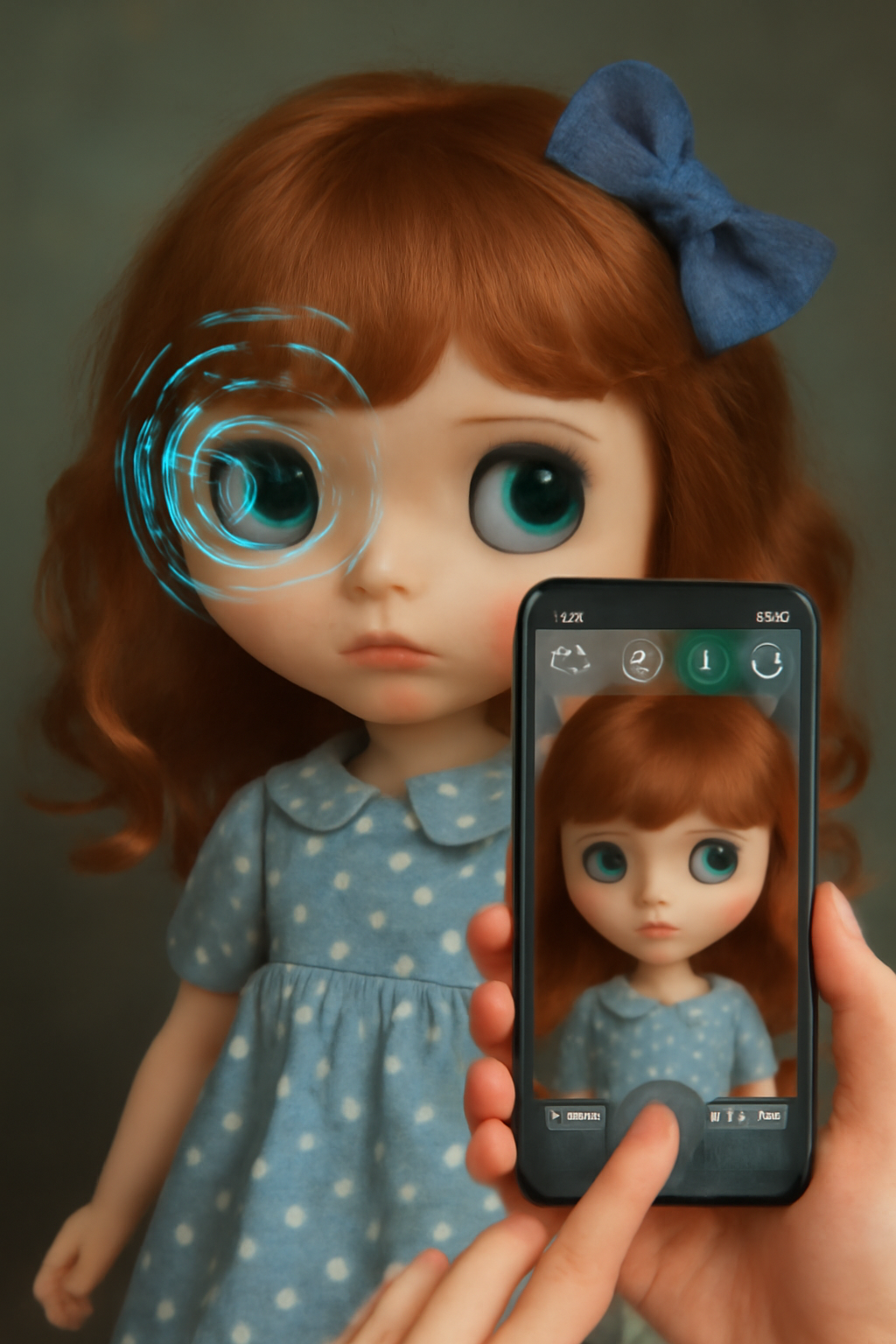
As we move further into the 21st century, the future of Blythe dolls remains bright and full of possibilities. With advancements in technology and changes in consumer preferences, the Blythe doll history will continue to evolve. Companies like Hasbro, which re-released Blythe dolls in various forms over the years, are constantly looking for ways to innovate and keep the brand fresh and relevant.
One potential direction for the future of Blythe dolls is the integration of technology, such as augmented reality (AR) and interactive features. Imagine a Blythe doll that can interact with its owner through an app, allowing for customizations beyond just physical alterations. This fusion of technology with traditional doll-making could attract a new generation of collectors while maintaining the charm that has made Blythe dolls so beloved.
Sustainability is another crucial factor that will likely influence the future of Blythe dolls. As more consumers become environmentally conscious, there is an increasing demand for sustainable toy options. Companies may need to adapt their manufacturing processes and materials to meet these expectations, ensuring that Blythe dolls remain relevant in a changing marketplace.
Additionally, the global community of Blythe doll enthusiasts will continue to play a vital role in shaping the future of these dolls. As collectors share their passions, creativity, and ideas, they will inspire new generations to embrace the artistry and individuality that Blythe dolls represent. The ever-evolving landscape of social media also ensures that the love for Blythe dolls will continue to thrive, creating a lasting legacy that will resonate for years to come.
In this enchanting world, the Blythe doll stands as a testament to creativity, nostalgia, and the timelessness of play. Whether you're a lifelong collector or someone who has just discovered the allure of these unique dolls, there is always something new to explore and appreciate. The journey through the history of Blythe is one that inspires wonder and connection, reminding us all of the beauty of imagination and the power of artistic expression.