Kokeshi Dolls: History, Types, and Cultural Significance
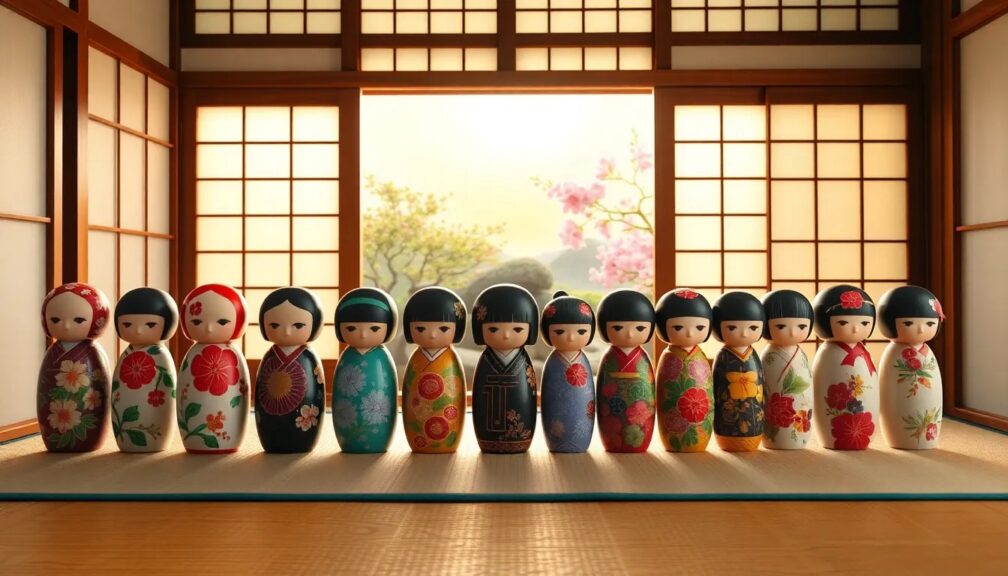
Kokeshi dolls have been cherished in Japan for over a century, and if you're interested in learning more about traditional Japanese dolls, you can explore our Dolls Japan history, serving not only as toys but also as symbols of cultural heritage and artistry? Originating in the early 19th century in the Tohoku region, these charming wooden dolls are characterized by their simple, cylindrical bodies and beautifully painted faces. Each kokeshi tells a story, often reflecting the craftsman's unique style and the local culture, making them a fascinating subject for collectors and enthusiasts alike.
With their rich history and cultural significance, kokeshi dolls offer much more than meets the eye. This exploration will delve into the history of kokeshi dolls, the various types that exist, their meanings, and how they have evolved over time. Prepare to be enchanted by the artistry and emotional resonance of these delightful figures as we journey through their past, present, and future.
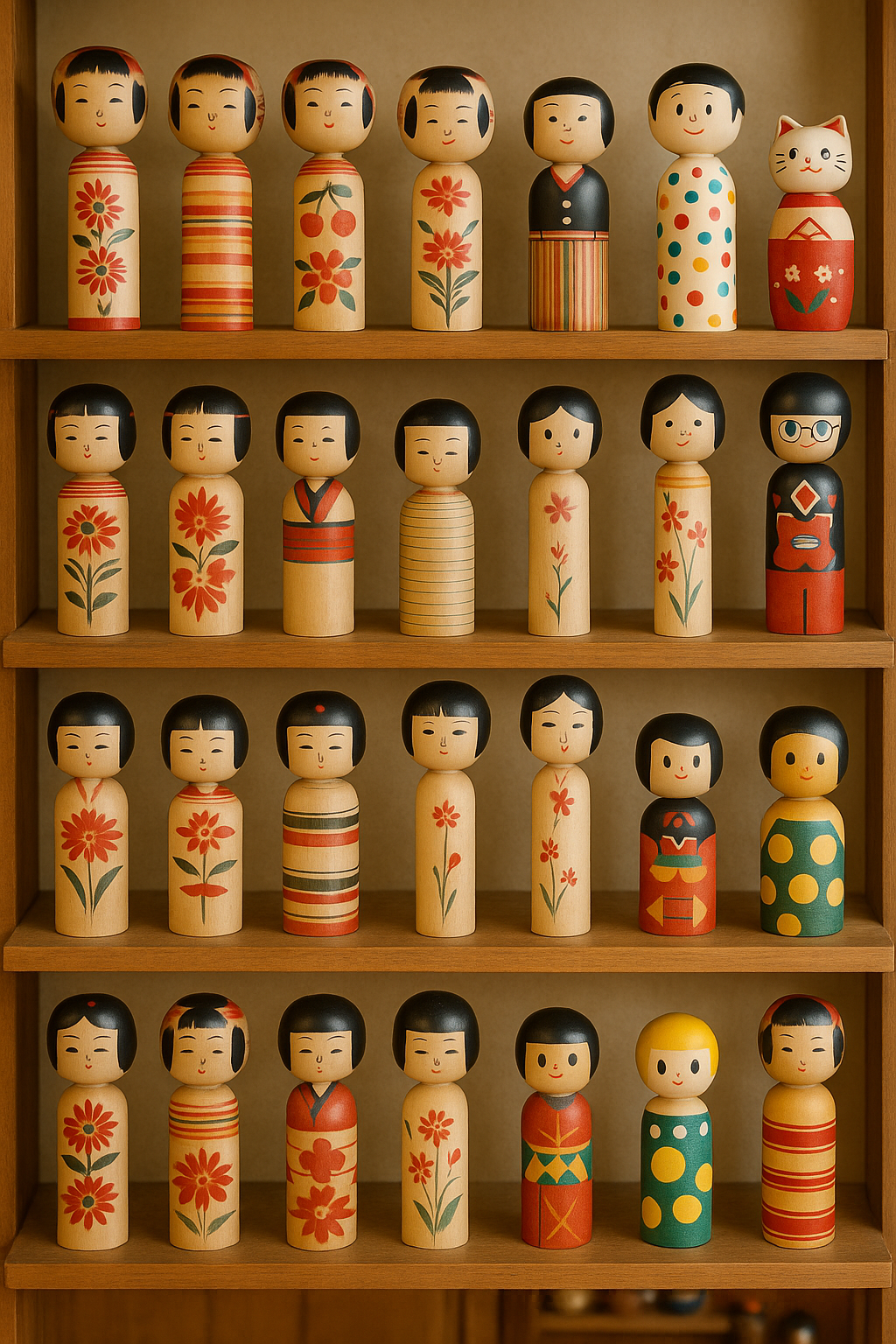
What Is a Kokeshi Doll?
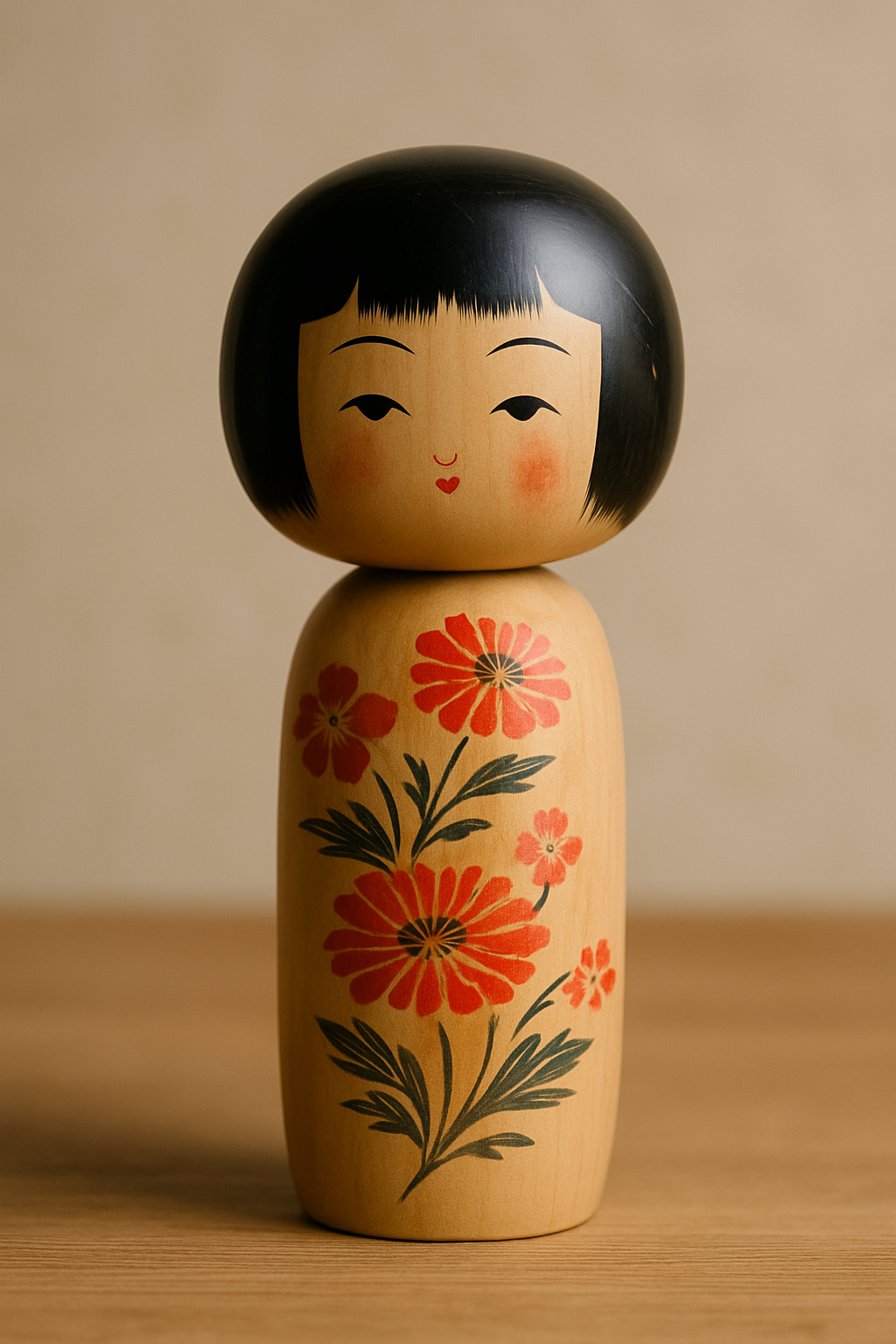
A kokeshi doll is a traditional Japanese wooden figure distinguished by its elegantly simple design: a cylindrical or slightly tapered body topped with a large, spherical head. Unlike conventional dolls, kokeshi have no arms or legs, embodying the Japanese aesthetic principle of "ma" (negative space) and minimalist beauty.
These handcrafted dolls are typically 3 to 12 inches tall, though some artisan pieces can reach up to 20 inches. Each kokeshi is carved from a single piece of wood, much like porcelain dolls, which are also meticulously handcrafted to preserve their unique charm—most commonly cherry (sakura) or dogwood (mizuki)—using a traditional lathe-turning technique that has remained largely unchanged for over two centuries.
The defining characteristics of kokeshi include:
Physical Features: A smooth, rounded head that rotates slightly on the body, hand-painted facial features with simple dots for eyes and delicate red lips, rosy cheeks that convey warmth and innocence, and glossy black hair depicted with flowing brush strokes.
Body Decoration: Floral patterns (chrysanthemums, cherry blossoms, plum blossoms), geometric designs (stripes, zigzags, circular patterns), and natural motifs inspired by the four seasons, all applied with meticulous hand-painting using fine brushes.
Symbolic Elements: The absence of limbs symbolizes the purity and simplicity valued in Japanese aesthetics, while the gentle, serene expressions reflect the peaceful spirit the dolls are meant to embody.
What truly distinguishes authentic kokeshi from other wooden dolls is the combination of their handcrafted nature, regional design variations, and the living tradition of craftsmanship passed from master to apprentice. Each kokeshi carries the signature style of its maker and region, making every doll a unique work of folk art rather than a mass-produced toy.
The Origins of Kokeshi Dolls
The history of kokeshi dolls can be traced back to the early 1800s in the mountainous regions of northern Japan, particularly in the Tohoku area. Originally crafted as toys for children, these dolls were made by local craftsmen known as "kijishi." The dolls were often sold in the hot springs of the area, where they would serve as souvenirs for visitors. Over time, the craft of kokeshi-making evolved, merging functionality with artistry.
Craftsmen shaped these dolls with meticulous care, applying vibrant colors and intricate hand-painted designs that told stories of their region. The simplicity of the kokeshi doll design reflects a minimalist aesthetic that is deeply rooted in Japanese culture, emphasizing natural beauty and craftsmanship.
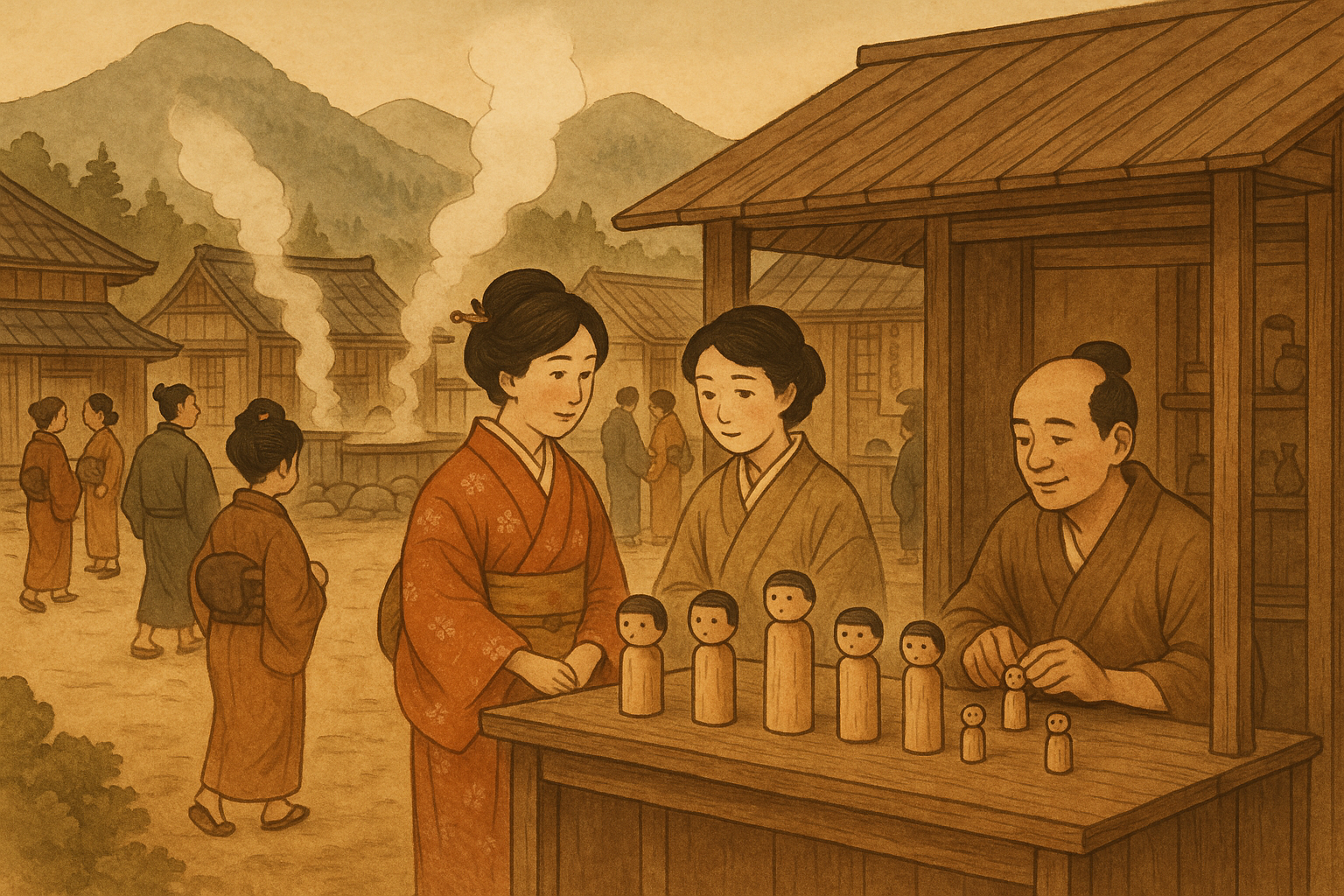
As Japan entered the Meiji era in the late 19th century, kokeshi dolls began to gain popularity beyond their local origins. They became symbols of Japanese folk art, much like Barbie dolls, which evolved to reflect cultural shifts and societal changes over the years. This period marked the beginning of kokeshi dolls evolving from mere toys to collectible art pieces, as they began to attract the attention of tourists and art enthusiasts.
The Different Types of Kokeshi Dolls
One of the most fascinating aspects of kokeshi dolls is the variety of types of kokeshi that exist, each representing different regional traditions and artistic interpretations with distinct characteristics. Generally, kokeshi dolls can be categorized into two main types: traditional kokeshi and modern kokeshi. Understanding these categories allows us to appreciate the diversity and evolution of this iconic Japanese art form.
Traditional Kokeshi Dolls
Traditional kokeshi embody a serene and gentle expression through their carefully painted faces. What distinguishes one traditional kokeshi from another lies in the regional variations—each area of Japan has developed its unique style, influenced by local culture, history, and the distinctive approach of its artisans. These regional differences manifest in color palettes, pattern choices, and proportional details that reflect the natural beauty of each landscape.
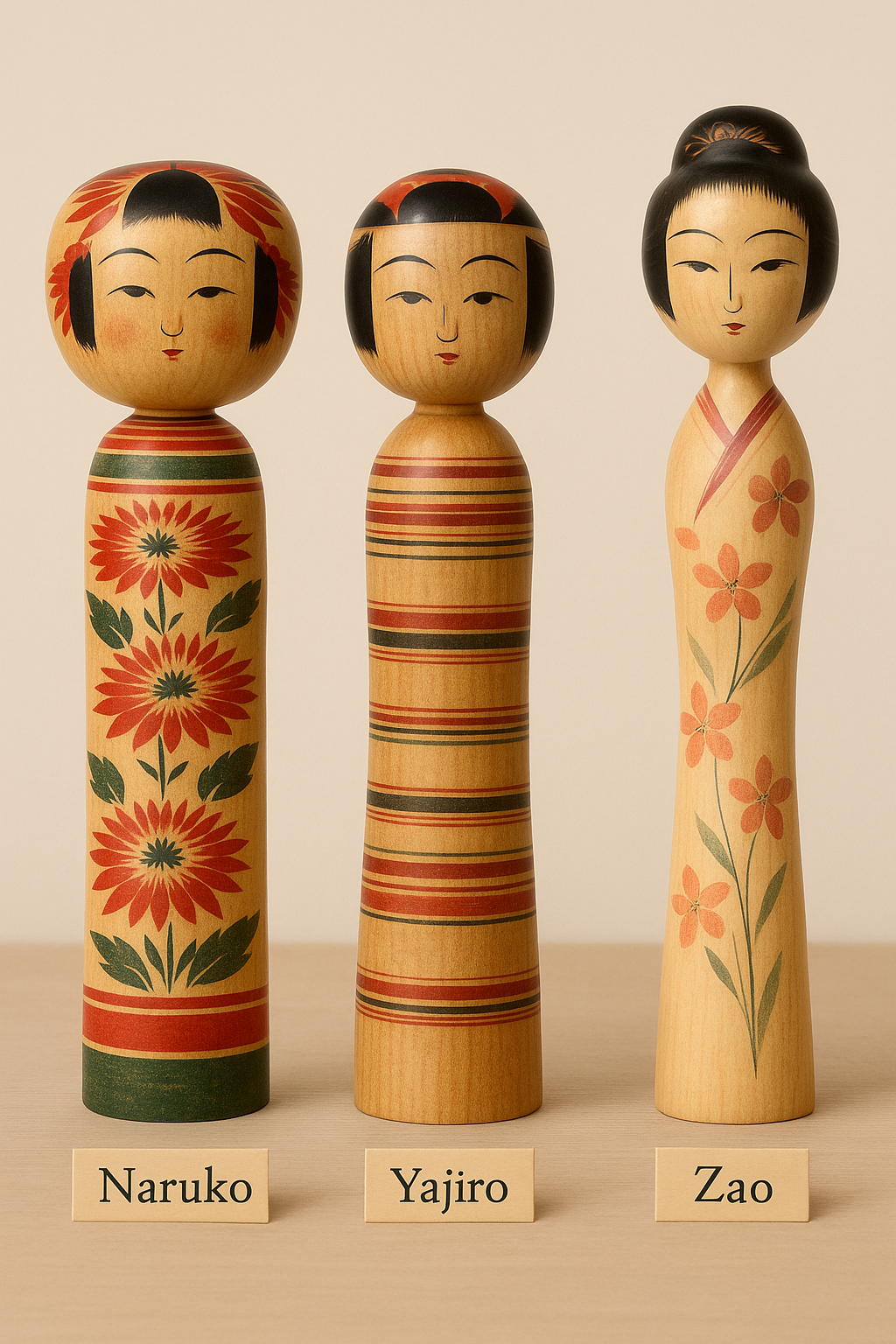
For example, the Naruko kokeshi, originating from the Naruko hot springs, is known for its vibrant colors and intricate floral motifs. In contrast, the Yajiro kokeshi from the Yajiro region showcases a more subtle color palette with delicate line work. Collectors often seek out specific regional styles, making traditional kokeshi dolls a source of pride for local artisans.
Regional Styles and Museums
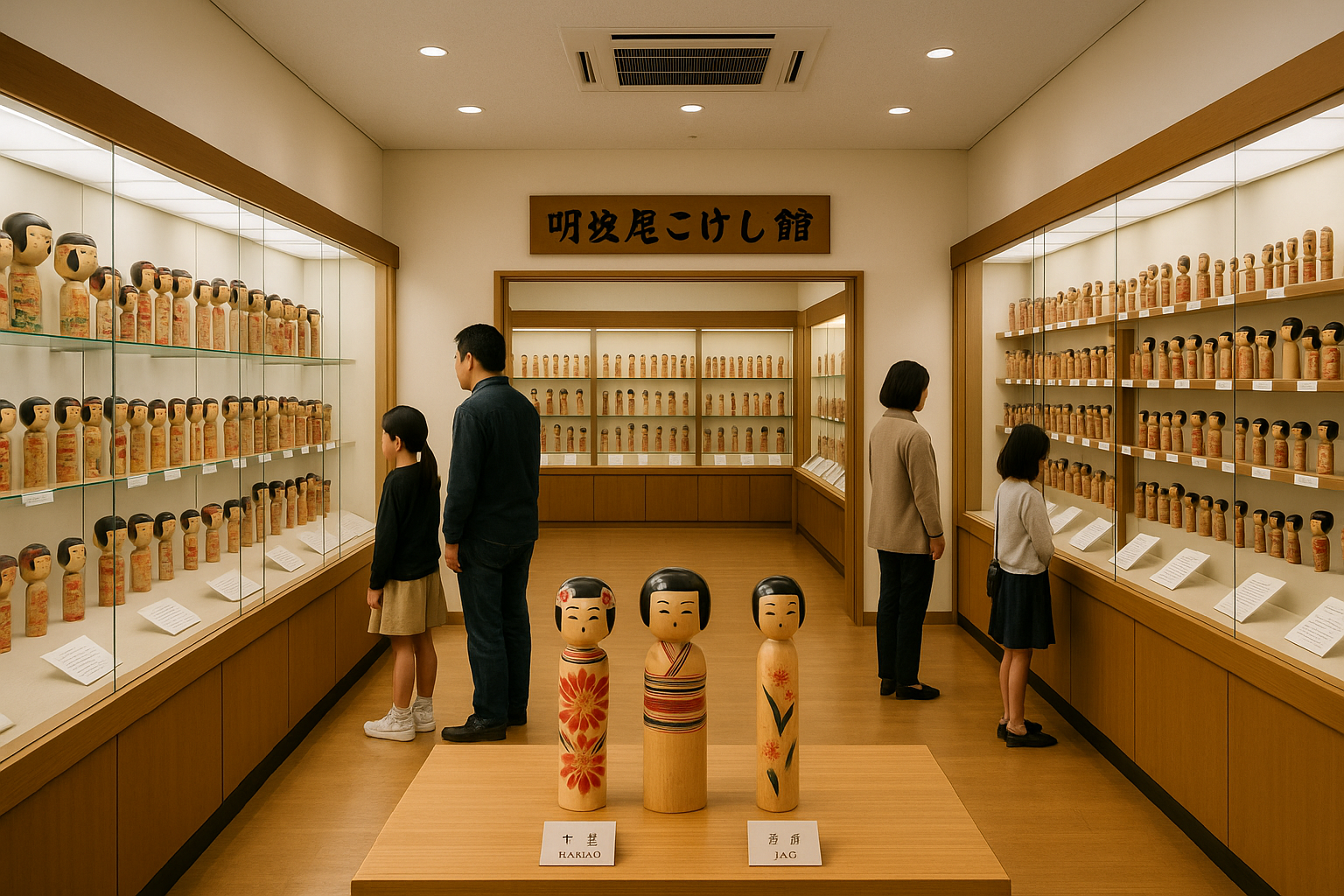
For those interested in exploring the characteristics of kokeshi from different regions, the Miyagi Zao Kokeshi Museum offers an exceptional collection. Located in the Zao region of Miyagi Prefecture, this museum showcases the miyagi zao kokeshi style alongside other traditional varieties, providing visitors with a comprehensive understanding of the history of kokeshi across Japan's northern regions.
Modern Kokeshi Dolls
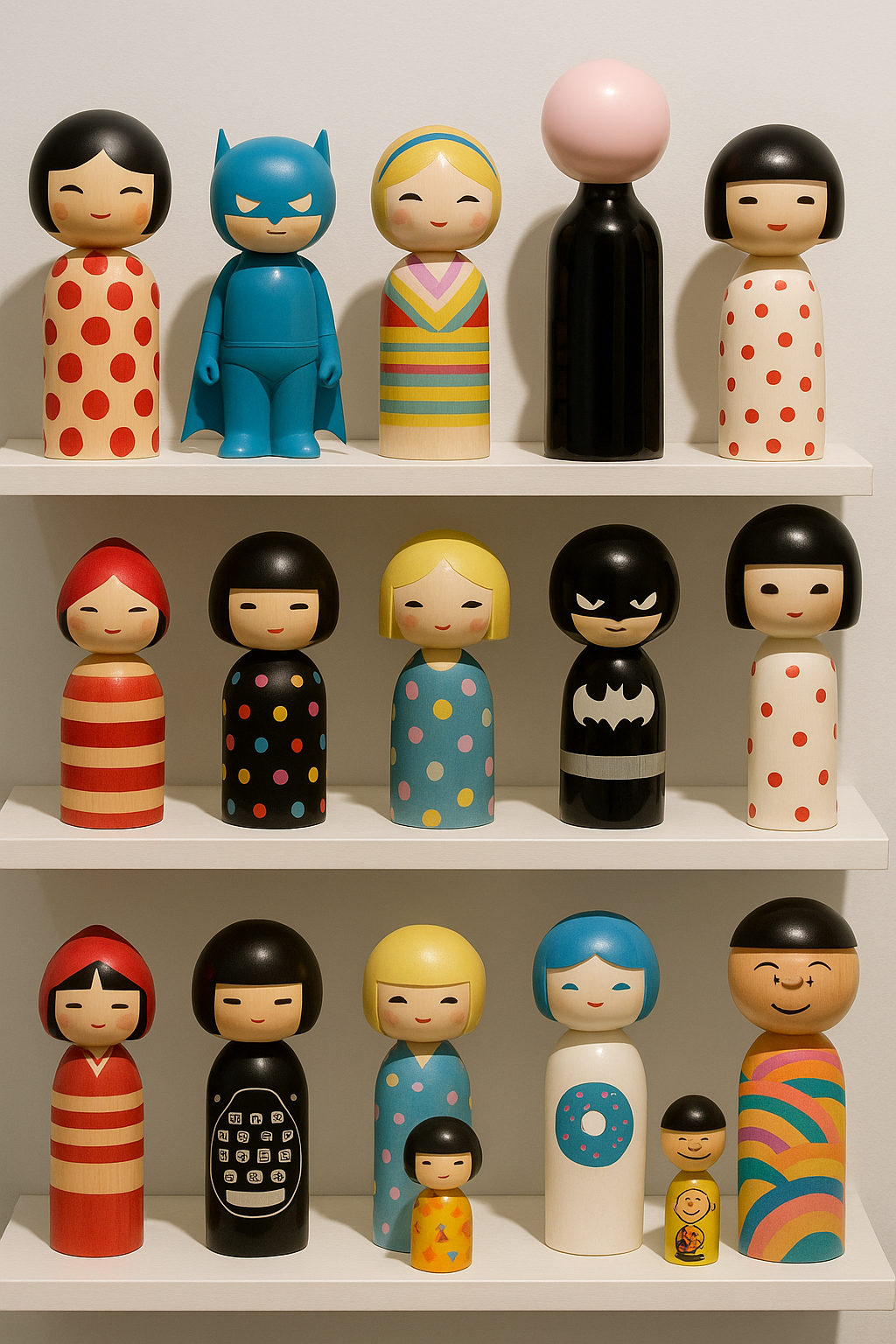
In the mid-20th century, a new wave of creativity emerged, leading to the birth of modern kokeshi dolls. These dolls often incorporate contemporary design elements and innovative techniques, expanding the traditional boundaries of kokeshi craftsmanship. Modern kokeshi can be found in various shapes, sizes, and artistic interpretations, often appealing to a broader audience.
Modern kokeshi dolls frequently feature playful designs, much like reborn dolls that blend realism with creativity, attracting collectors and enthusiasts worldwide. Artisans may experiment with materials beyond wood, using ceramics or resin to create unique pieces. This evolution reflects a changing society that embraces both tradition and modernity, allowing kokeshi dolls to remain relevant in contemporary culture.
Kokeshi Dolls and Their Cultural Significance
Beyond their aesthetic appeal, kokeshi dolls hold deep cultural significance in Japan. Traditionally, these dolls were believed to possess protective qualities for children, serving as talismans against misfortune. Parents often gifted kokeshi dolls to their children, instilling a sense of love and care through these handcrafted figures.
In addition to their protective symbolism, kokeshi dolls also represent the importance of craftsmanship and artistry in Japanese culture. The meticulous process of creating a kokeshi doll is a testament to the skill and dedication of the artisans. The tradition of kokeshi-making is passed down through generations, preserving not only the craft itself but also the stories and values associated with it.
Understanding the kokeshi meaning helps us appreciate why these dolls have endured for centuries—they represent not just artistic skill, but the values of protection, love, and cultural continuity that define Japanese craft traditions.
Today, kokeshi dolls are celebrated as artistic expressions, often showcased in galleries and exhibitions. They serve as a bridge between past and present, connecting people to Japan's rich cultural heritage while inspiring new generations of artists to explore this timeless craft.
The Artistry Behind Kokeshi Dolls
Creating a kokeshi doll is a labor of love that involves a deep understanding of woodcraft, painting, and design. The artistry behind these dolls is not merely about producing a product; it's about telling a story and preserving a tradition. Each step in the creation process reflects the artisan's skill, creativity, and personal touch.
The Crafting Process
The journey of a kokeshi doll begins with selecting the right type of wood, typically cherry or dogwood. The wood is then carefully cut into blocks, shaped using a lathe, and sanded to achieve a smooth finish. This meticulous attention to detail is essential, as the quality of the wood directly impacts the final product.
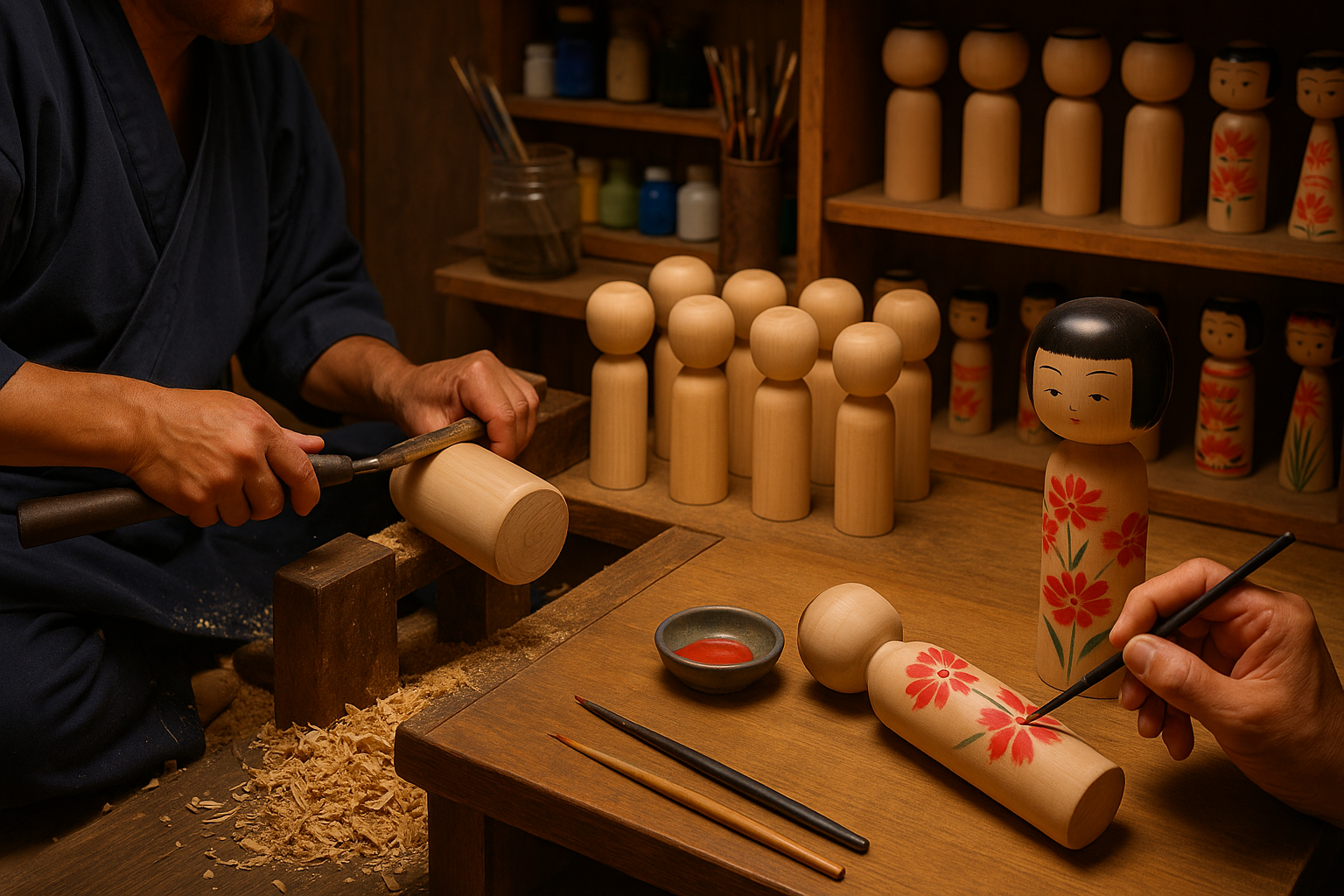
Once shaped, the dolls are painted with bright colors and patterns. Traditional designs often incorporate motifs inspired by nature, such as flowers, leaves, and animals. The painting process requires precision and an artistic eye, as artisans must ensure that each design is harmonious and visually appealing. Many artisans still use brushes made from traditional materials, maintaining the integrity of the craft.
After painting, the dolls are often finished with a protective coating to enhance their durability and ensure that the colors remain vibrant over time. This final step is crucial, as it allows the dolls to be cherished and displayed for years to come.
The Influence of Regional Styles
The craftsmanship behind kokeshi dolls is also deeply influenced by regional styles, which contribute to their unique characteristics. Each region in Japan has developed its own signature techniques, colors, and designs over time. This diversity is a reflection of the local environment, cultural influences, and the preferences of the artisans.
For instance, the Zao kokeshi from the Zao region is known for its distinctively slender form and beautiful, intricate facial features. In contrast, the Tōhoku kokeshi often showcases a more robust design, with bold colors and floral patterns that celebrate the natural beauty of the region. Collectors often take great pleasure in identifying and appreciating these regional variations, enriching their understanding of Japanese culture.
The Role of Kokeshi in Contemporary Art
In recent years, kokeshi dolls have transcended their traditional roles as toys and souvenirs, becoming recognized as unique art forms. Contemporary artists are embracing the kokeshi doll aesthetic, incorporating it into their work and exploring new mediums. This fusion of tradition and modernity has led to exciting collaborations between artisans and designers, resulting in innovative and thought-provoking creations.
Art exhibitions and galleries around the world now feature kokeshi dolls as part of their collections, highlighting their artistic merit and cultural significance. This newfound recognition has sparked interest among collectors and art enthusiasts, contributing to the ongoing revival of kokeshi craftsmanship. As a result, kokeshi dolls have become a symbol of cultural pride and a celebration of Japanese heritage.
Kokeshi Dolls as Gifts and Collectibles
Kokeshi dolls are often given as gifts, symbolizing goodwill, protection, and love. They are commonly presented during special occasions and celebrations, making them cherished tokens imbued with personal meaning. Understanding the significance of kokeshi dolls in gifting culture adds depth to their appeal.
A Meaningful Gift
The act of giving a kokeshi doll is steeped in tradition and sentiment. Parents often gift these dolls to their children, believing they will bring good luck and protection. Similarly, friends and family may exchange kokeshi dolls during important life events such as weddings, births, or graduations, signifying their heartfelt wishes for happiness and success.
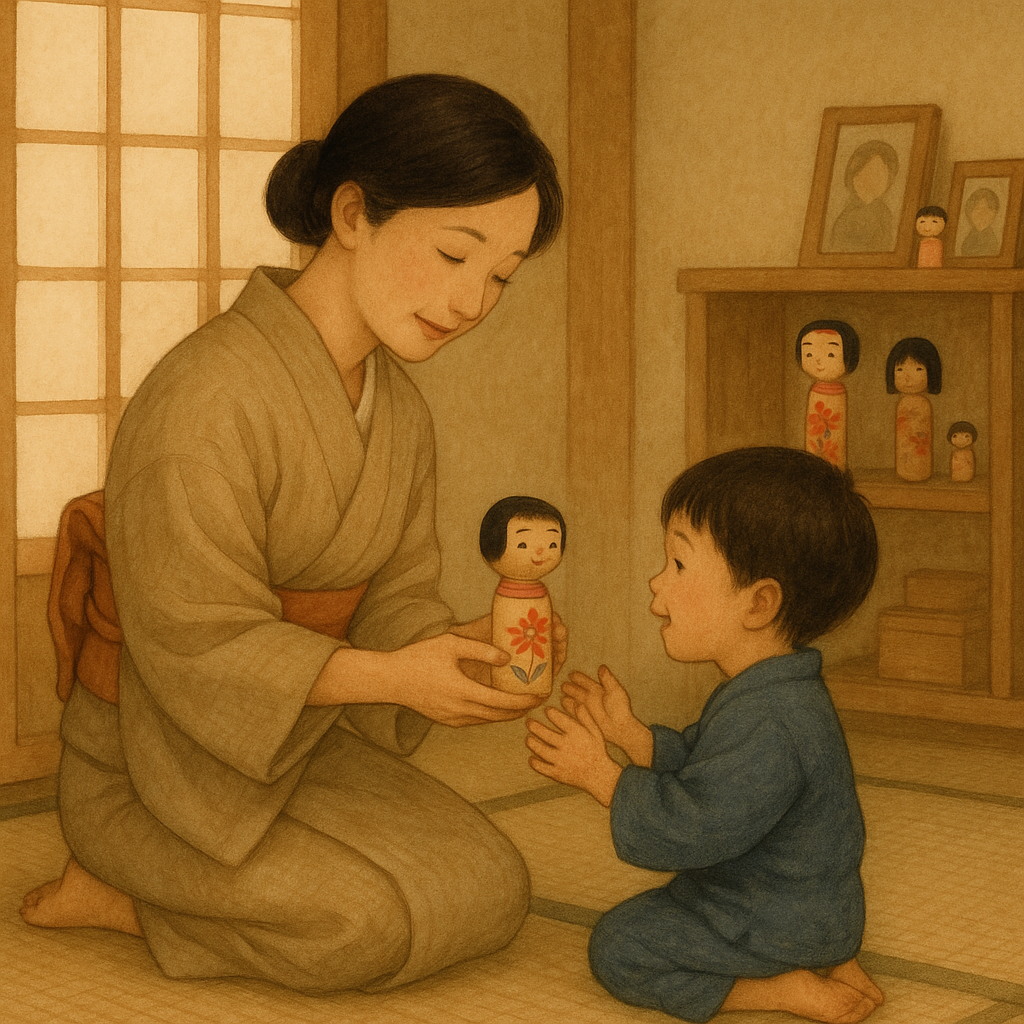
Kokeshi dolls are also popular among collectors, who appreciate their craftsmanship and historical value. Many collectors seek out rare or vintage pieces, often attending auctions and exhibitions to find unique dolls that reflect their personal tastes. This pursuit of collecting kokeshi dolls fosters a sense of community among enthusiasts, who share their passion for this timeless art form.
The Value of Kokeshi Dolls
The value of kokeshi dolls can vary significantly based on factors such as age, craftsmanship, and rarity. Vintage kokeshi dolls, particularly those created by renowned artisans, can fetch high prices at auctions and collectible shows. Collectors often focus on acquiring pieces from specific regions or artists, making their collections unique and personal.
In addition to their monetary value, kokeshi dolls also hold emotional significance for many collectors. Each doll tells a story, whether it's a childhood memory, a connection to Japanese culture, or an appreciation for artistry. This emotional resonance adds a layer of depth to the act of collecting, transforming it into a meaningful journey.
A Global Appeal
As kokeshi dolls continue to capture the hearts of people around the world, their appeal has transcended cultural boundaries. The simplicity and beauty of these dolls resonate with individuals from diverse backgrounds, making them popular souvenirs and decorative items. Many artisans are now creating kokeshi dolls that incorporate international themes or fusion designs, expanding their reach and influence.
Social media platforms and online marketplaces have played a vital role in promoting kokeshi dolls to a global audience. Collectors and enthusiasts can connect with artisans, share their collections, and discover new styles from around the world. This digital landscape has contributed to the resurgence of interest in kokeshi dolls, ensuring that their legacy continues to thrive.
The Future of Kokeshi Dolls
As we look to the future, the world of kokeshi dolls continues to evolve, embracing innovation while honoring tradition. The blend of old and new is a testament to the resilience of this art form, ensuring that it remains relevant in a rapidly changing world.
Innovations in Design
Contemporary artisans are exploring new materials, techniques, and designs, which breathe fresh life into the world of kokeshi dolls. Innovations such as laser-cutting technology and eco-friendly materials have expanded the possibilities for kokeshi craftsmanship. Artists are now creating interactive dolls, incorporating elements of play and engagement into their designs, appealing to younger generations.
This willingness to adapt and innovate ensures that kokeshi dolls remain an exciting and dynamic art form. As artisans experiment with styles and themes, they continue to attract both collectors and casual admirers alike, fostering a renewed appreciation for this cherished tradition.
Cultural Preservation and Education
Efforts to preserve the craft of kokeshi doll making are ongoing, with various organizations and artisans committed to passing down their knowledge to future generations. Workshops and educational programs are being established to teach the techniques and history of kokeshi dolls, ensuring that this cultural heritage is not lost.
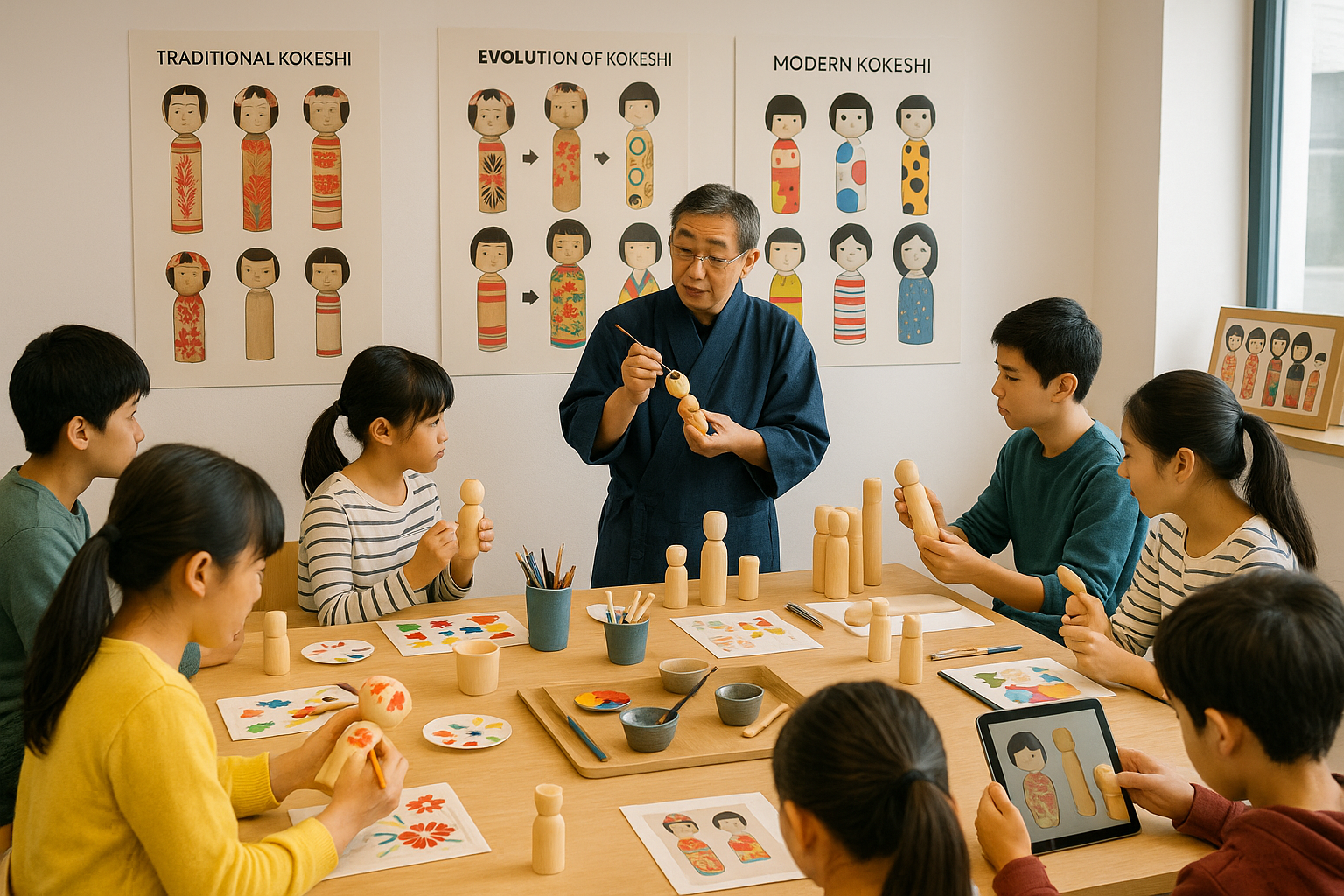
Cultural exchanges and collaborations with international artists are also fostering a greater understanding of kokeshi dolls beyond Japan. These initiatives promote cross-cultural dialogue and appreciation for the artistry behind these dolls, allowing them to resonate with a global audience.
The Emotional Connection
As kokeshi dolls continue to evolve, their emotional significance remains unchanged. Whether they are gifted to loved ones or collected as treasured possessions, these dolls carry with them a sense of nostalgia and warmth. The stories they tell, the memories they evoke, and the connections they foster are what make kokeshi dolls truly special.
In a world that often feels fast-paced and disconnected, kokeshi dolls serve as reminders of the beauty found in simplicity, craftsmanship, and cultural heritage. Their enduring charm lies not only in their visual appeal but also in the emotional resonance they hold for those who cherish them. As we celebrate the artistry and history of kokeshi dolls, we honor their place in our hearts and in the tapestry of human experience.
Frequently Asked Questions About Kokeshi Dolls
What are kokeshi dolls?
Kokeshi dolls are traditional Japanese wooden dolls characterized by their simple cylindrical bodies, lack of limbs, and beautifully hand-painted faces. Originating in the Tohoku region of northern Japan in the early 1800s, these handcrafted figures were initially created as children's toys by local artisans called "kijishi" and sold at hot spring resorts as souvenirs.
What is the meaning of kokeshi dolls?
The meaning of kokeshi dolls extends beyond their physical form. Traditionally, kokeshi dolls symbolize protection, good fortune, and parental love. Parents gifted these dolls to their children believing they would serve as talismans against misfortune. The kokeshi doll meaning also encompasses the preservation of Japanese craftsmanship and cultural heritage, representing the connection between generations of artisans and the rural lifestyle of northern Japan.
What is a kokeshi doll used for?
Originally, kokeshi dolls were used as simple toys for children in the Tohoku region. Today, they serve multiple purposes: as collectible art pieces valued for their craftsmanship, as decorative items celebrating Japanese folk art, as meaningful gifts symbolizing goodwill and protection, and as cultural ambassadors representing traditional Japanese artistry in galleries and exhibitions worldwide.
What are the main types of kokeshi dolls?
The types of kokeshi can be divided into two primary categories: traditional kokeshi (dento kokeshi) and modern kokeshi (shingata kokeshi). Traditional kokeshi feature eleven distinct regional styles, each with unique characteristics. Notable examples include Naruko kokeshi with vibrant floral motifs, Yajiro kokeshi with delicate line work, and Zao kokeshi known for their slender forms. Modern kokeshi emerged in the mid-20th century, incorporating contemporary designs, pop culture elements, and experimental materials beyond traditional wood.
What is the history of kokeshi dolls?
The history of kokeshi dates back to the early 1800s in the mountainous Tohoku region of northern Japan. Created by woodworking craftsmen (kijishi) who also made bowls and trays, these dolls were initially sold at local hot spring resorts. During the Meiji era (late 19th century), kokeshi dolls gained popularity beyond their regional origins, evolving from simple children's toys into recognized folk art. The craft has been passed down through generations, with each region developing its distinctive style and techniques.
What are the characteristics of kokeshi dolls?
The characteristics of kokeshi include their distinctive cylindrical wooden body made from a single piece of wood, typically cherry or dogwood. They feature a disproportionately large head with hand-painted facial features showing serene expressions, no arms or legs, and bodies decorated with floral patterns or geometric designs. Traditional kokeshi are turned on a lathe and finished with vibrant hand-painted colors. Each regional style has specific characteristics in terms of proportions, color palettes, and decorative motifs that identify its origin.
Where can I see authentic kokeshi dolls in Japan?
Authentic kokeshi dolls can be viewed at several locations throughout Japan, particularly in the Tohoku region. The Miyagi Zao Kokeshi Museum, located near the Zao hot springs in Miyagi Prefecture, houses an extensive collection showcasing the history of kokeshi and various regional styles. The museum also offers workshops where visitors can observe artisans at work and even try making their own kokeshi dolls under expert guidance.
How are traditional kokeshi dolls different from modern ones?
Traditional kokeshi follow strict regional style guidelines passed down through generations, featuring simple cylindrical forms, specific color schemes, and traditional Japanese motifs like flowers and geometric patterns. Modern kokeshi, which emerged after World War II, break from these conventions with creative freedom—incorporating contemporary themes, diverse shapes, experimental materials like ceramics or resin, and even pop culture references. While traditional kokeshi preserve historical craftsmanship, modern kokeshi represent artistic innovation and personal expression.