What Are Waldorf Dolls? Meaning, Benefits, and Why They Matter
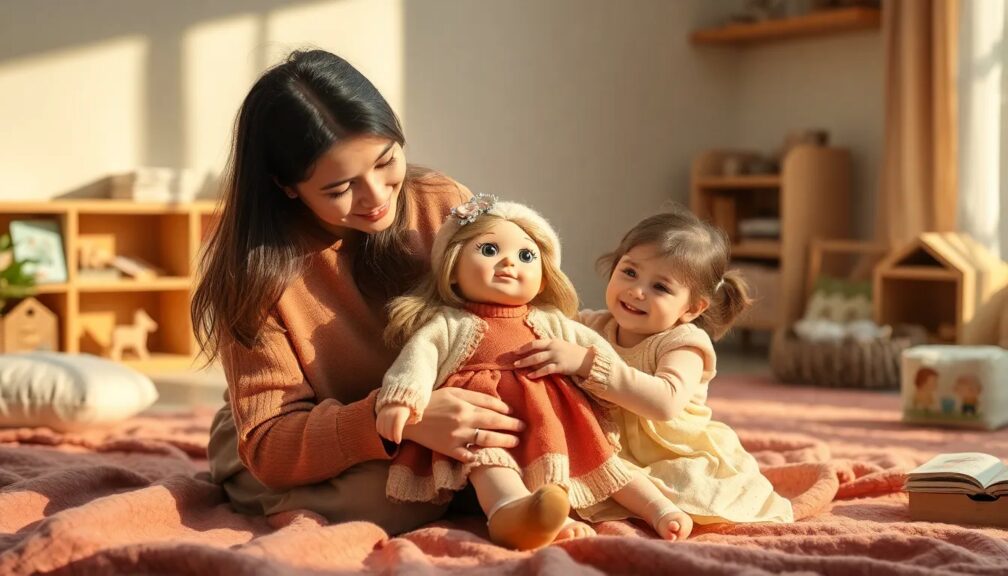
For over a century, the Waldorf doll has quietly stood as a symbol of childhood simplicity, emotional depth, and handmade beauty. Inspired by the educational philosophy of Rudolf Steiner, these dolls are more than toys—they are companions crafted with intention, designed to nurture a child's inner life through imagination, comfort, and connection to the natural world.
From their minimalist facial features to their use of natural materials like wool and cotton, Waldorf dolls embody values that many families hold dear. This article explores their unique characteristics, the educational philosophy behind their design, the developmental benefits they offer, and why both parents and collectors continue to cherish them in a world increasingly dominated by mass-produced plastic toys.
What Is a Waldorf Doll?
A Waldorf doll is a handcrafted toy rooted in the educational philosophy of Rudolf Steiner, founder of Waldorf education in the early 20th century. These dolls are intentionally designed to support the developmental needs of young children by fostering imagination, empathy, and sensory awareness. In Waldorf pedagogy, toys are not merely playthings—they are tools for nurturing the soul and spirit of the child through simplicity, beauty, and connection with nature.
Many parents who search for what are Waldorf dolls are simply looking for a clear explanation of what makes these dolls different from typical toys. While some people type queries like what is Waldorf doll when first discovering them, the concept remains the same: a Waldorf doll is a simple, natural, handmade toy designed to support healthy emotional and imaginative development.
Waldorf dolls also belong to the broader category of Waldorf toys, which includes wooden figures, hand-knitted animals, natural-fiber puppets, seasonal play sets, and other open-ended materials used in Waldorf education. Understanding how Waldorf dolls fit into this family of toys helps explain why they are so valued for nurturing creativity and sensory-rich play.
Key Characteristics of Waldorf Dolls:
- Minimalist Facial Features: The face typically has only the most subtle suggestion of eyes, mouth, and expression. This neutrality invites the child to project their own emotions onto the doll, encouraging emotional intelligence and narrative creativity.
- Natural Materials: Crafted from renewable, non-toxic materials such as organic cotton for the skin and natural wool for stuffing and hair. These choices reflect Waldorf education’s emphasis on sustainability, health, and the sensory warmth of living materials.
- Soft, Warm Textures: The use of wool and cloth gives Waldorf dolls a gentle, comforting feel. This tactile quality engages a child’s sense of touch and fosters a nurturing, empathetic connection.
- Simple, Timeless Design: Free from excessive detail or branding, the aesthetic is purposefully understated to encourage open-ended play. The doll becomes whatever the child imagines—friend, baby, hero, or comfort object.
The Origins and Philosophy Behind Waldorf Dolls
Waldorf dolls originated from the educational principles developed by Rudolf Steiner, founder of the Waldorf movement in the early 1900s. Rooted in anthroposophy, this approach views the child as a whole being—body, soul, and spirit—and emphasizes nurturing imagination, sensory awareness, and emotional balance. The creation of Waldorf dolls aligns with this vision: rather than entertain passively, these dolls are intended to actively support a child's inner development and free play. Their design avoids artificiality and overstimulation, honoring the natural pace of childhood.
In contrast to other forms of storytelling toys found in traditional play, such as those explored in the history of puppetry, Waldorf dolls remain intentionally simple to encourage children to create their own inner narratives.
Why Simplicity Matters
- Emotional Projection: A neutral facial expression gives children the freedom to assign any emotion to the doll, turning it into a tool for emotional exploration and storytelling.
- Connection to Nature: By avoiding synthetic plastics and using only natural fibers, the doll strengthens the child's sensory bond with the natural world, reinforcing ecological awareness and comfort.
- Inner Reflection, Not Imitation: Unlike mass-produced toys tied to fixed characters or narratives, a Waldorf doll becomes a blank canvas. It mirrors the child's inner world, allowing play to emerge organically from within, rather than being imposed from outside. This approach stands in stark contrast to highly detailed collectible toys, such as classic porcelain dolls, which present fixed expressions and predefined roles.
Handmade with Purpose
Each Waldorf doll is a product of intentional craftsmanship, created not just as a toy, but as a meaningful companion for a child's inner world. Every step of the handmade process reflects core Waldorf values: simplicity, natural beauty, and respect for the individuality of the child.

The making of a Waldorf doll typically involves:
- Forming the Head: The head is tightly stuffed with clean, carded wool to give it shape and weight, then covered with skin-toned, natural cotton knit fabric. This creates a warm, lifelike presence and supports healthy sensory development.
- Crafting the Hair: Hair is made from organic wool or cotton yarn, carefully sewn strand by strand. It may be styled or left loose, allowing children to imagine and experiment freely during play.
- Sewing the Body and Clothing: The body is sewn from soft, breathable fabrics like organic cotton or linen. Clothes are often made by hand and dyed with plant-based, non-toxic pigments, enhancing the doll’s earthy, natural aesthetic.
Each doll is unique, with slight variations in stitching, proportions, and expression—details that imbue it with warmth, personality, and charm. This handcrafted uniqueness echoes the cultural artistry seen in traditional Kokeshi dolls, where simplicity and handmade charm give each piece a distinct identity.
These subtle imperfections are not flaws but features that make the doll feel real and personal to the child. The organic textures and comforting weight of the materials offer grounding sensory input, which is especially nurturing during the formative years of emotional and neurological development.
Educational Benefits of Waldorf Dolls
Waldorf dolls are far more than charming handmade toys—they are developmental tools thoughtfully designed to support holistic learning. Grounded in the principles of Waldorf education, these dolls engage the child on emotional, social, cognitive, and even physical levels, laying the foundation for lifelong skills and well-being.
1. Emotional Intelligence
Through nurturing interactions with their doll, children:
- Identify and Express Emotions: A neutral-faced doll acts as a mirror, allowing children to externalize and better understand their feelings.
- Cultivate Empathy: Caring for the doll fosters compassion, as children treat it as they would a sibling, friend, or baby.
- Develop Emotional Resilience: The doll often becomes a comfort object, offering stability and soothing during transitions, stress, or sadness.
2. Imaginative and Creative Play
The minimalist design of Waldorf dolls encourages rich, open-ended play that stimulates:
- Storytelling and Role-Playing: Children invent scenarios, relationships, and adventures, building narrative thinking and verbal expression.
- Exploration of Social Roles: Whether pretending to be a parent, teacher, or doctor, children process and rehearse real-life experiences.
- Creative Autonomy: With no predefined character or function, the doll adapts to whatever role the child envisions—each play session becomes a new world.
- These open-ended qualities also set Waldorf dolls apart from more stylized figures in toy history, including modern fashion dolls, which often come with predefined themes and narratives.
3. Motor Skills and Sense of Responsibility
Engagement with a Waldorf doll naturally supports physical and personal growth through:
- Fine Motor Development: Dressing, undressing, buttoning, braiding hair, or feeding the doll strengthens hand-eye coordination and dexterity.
- Daily Routine Practice: Children rehearse everyday tasks like putting on clothes or preparing meals, reinforcing self-care habits.
- Nurturing Instincts and Responsibility: Playing caregiver to the doll instills a gentle sense of duty and care toward others.
Waldorf Dolls and the Natural World
At the heart of Waldorf education lies a profound reverence for nature—an ethos that extends seamlessly into the creation and use of Waldorf dolls. These dolls are intentionally crafted to reflect the harmony between human development and the natural world, helping children experience themselves as part of a living, interconnected environment.

Waldorf pedagogy views childhood as a sacred time in which the senses should be nourished by organic materials, seasonal rhythms, and authentic experiences. A Waldorf doll, made from the earth’s own fibers, becomes a tactile bridge between the child and the world of nature.
Environmental and Developmental Benefits
- Sustainable Materials: Waldorf dolls are made using renewable and biodegradable components such as organic cotton, natural wool, and wooden buttons. This reduces environmental impact and models sustainable choices for children.
- Eco-Conscious Values: By engaging with toys made from natural resources, children internalize the principles of environmental stewardship and mindful consumption from an early age.
- Connection to Seasonal Rhythms: Many Waldorf dolls are dressed in clothing that reflects seasonal changes, reinforcing a child’s awareness of nature’s cycles. Some are integrated into seasonal storytelling or nature-based rituals, fostering a sense of belonging and rhythm.
- Tactile Bond with the Earth: The warmth and texture of natural materials support sensory integration and emotional grounding—key aspects of early development in the Waldorf philosophy.
Why Parents Choose Waldorf Dolls
Waldorf dolls appeal to parents who are looking for more than just toys—they represent an intentional choice rooted in values like simplicity, sustainability, and emotional connection. These handmade dolls embody the kind of calm, meaningful childhood that many families strive to cultivate.
For some families, this gentle authenticity contrasts sharply with the realism-focused world of reborn dolls, highlighting the Waldorf doll’s purpose as a tool for emotional grounding rather than lifelike representation.
Why Families Prefer Waldorf Dolls
- Encourage Slow, Meaningful Play: Unlike fast-paced electronic toys, Waldorf dolls support unhurried, imaginative play that nurtures creativity and focus.
- Provide a Calming Presence: With their soft textures, warm materials, and neutral expressions, these dolls create a peaceful, grounding presence in the child’s environment.
- Reflect Core Family Values: For families who prioritize eco-conscious living, intentional parenting, and natural aesthetics, Waldorf dolls are a tangible reflection of those values.
- Support Alternative Learning Approaches: Commonly used in homeschooling and Waldorf education settings, these dolls integrate seamlessly into child-led, nature-based learning environments.
- Built to Endure and Be Cherished: Because they’re crafted with care and high-quality materials, Waldorf dolls are durable, often becoming treasured companions and heirlooms passed down through generations.
How Much Do Waldorf Dolls Cost?
The price of a genuine Waldorf doll in the U.S. can vary widely depending on size, materials, craftsmanship, and whether it's hand-made or mass-produced. As of 2025:
– Entry-level handcrafted Waldorf dolls (approx. 10-12 inches, organic cotton skin, wool stuffing) typically range from US $45-$65. For example, one brand lists “Waldorf Doll Zoe / Poppy” at US $48 when on sale (originally US $58). Sarah's Silks+1
– Mid-tier Waldorf dolls (12-15 inches, more detailed outfits or dyed fabrics) often cost US $70-$120. For example, an artisan listing lists dolls starting from around US $24.99 on a large retailer, but many fall in the US $50-US $100 realm for quality handmade pieces. Walmart.com
– Premium or collector Waldorf dolls (larger sizes, heavy wool fill, custom outfits, limited edition) can cost US $150-US $300+. For instance, one brand lists a large “Heavy Baby Waldorf Doll” at US $169.00. A Toy Garden
Why such a range?
Materials: organic cotton and wool cost more than synthetic fabrics.
Craftsmanship: handcrafted dolls take more time and skill.
Size: larger dolls use more materials and labor.
Limited editions: smaller runs or artisan brands raise costs.For parents and collectors, it’s helpful to set a budget and consider which features matter most—size, outfit detail, materials, brand reputation—so you’re paying for what you value.
Where to Buy Authentic Waldorf Dolls
If you’re ready to purchase a Waldorf doll, here are vetted places and tips to ensure authenticity and value:
Trusted Sources:
- Specialty online stores dedicated to Waldorf and natural toys frequently carry high-quality handcrafted dolls made of wool and cotton. For example, an artisan retailer sells Waldorf dolls starting around US $48. Sarah's Silks
- Large online marketplaces can offer good deals, but be cautious: product listings for “Waldorf style” may use cheaper materials or be mass-produced. On eBay, Waldorf dolls can appear from US $20 for simple versions; auctions and rare sizes push over US $250. eBay
What to check:
- Materials: Look for descriptions stating organic cotton skin, wool stuffing, natural dyes.
- Size: Standard sizes are around 12″; smaller dolls cost less.
- Maker Info: Artisan or small-batch makers will list hand-craft details.
- Price vs. quality: Extremely low prices (e.g., under US $30) may indicate non-authentic materials or smaller size.
- Returns & authenticity: Check policy—authentic Waldorf dolls should align with the values described earlier (minimal face, natural materials).
Pro tip: If buying for a child’s play, a mid-range doll in the US $50-US $100 range offers an excellent balance of craftsmanship and value. For a collector piece, be prepared to invest US $150 or more for large size or limited edition.
Collectibility and Cultural Appreciation
Although Waldorf dolls are primarily crafted as companions for children, they have also found a meaningful place among adult collectors, educators, and artisans. Their handmade nature, cultural depth, and emotional resonance have elevated them from simple toys to cherished keepsakes and artistic expressions.
More Than a Toy
- Artisanal Value: Each Waldorf doll is handcrafted with care, often reflecting the personality and style of the maker. This uniqueness adds artistic and emotional value, making every doll one of a kind.
- Cultural Representation: Many modern Waldorf doll makers intentionally design dolls that celebrate ethnic diversity and traditional clothing, helping children see themselves—and others—reflected in their toys.
- Creative Community: A global community of Waldorf parents, educators, and crafters actively shares tutorials, designs, and heartfelt stories online. This collective knowledge and passion foster a sense of connection and inspiration around the world.
Waldorf dolls represent more than play—they symbolize a return to intention, warmth, and authenticity in a world often dominated by synthetic, overstimulating toys. Whether nestled in a child’s arms or displayed in a collector’s home, they embody creativity, cultural respect, and emotional grounding.
For parents, teachers, artisans, or collectors alike, the appeal is universal: Waldorf dolls are made with heart, built to inspire, and crafted to nourish the soul.